
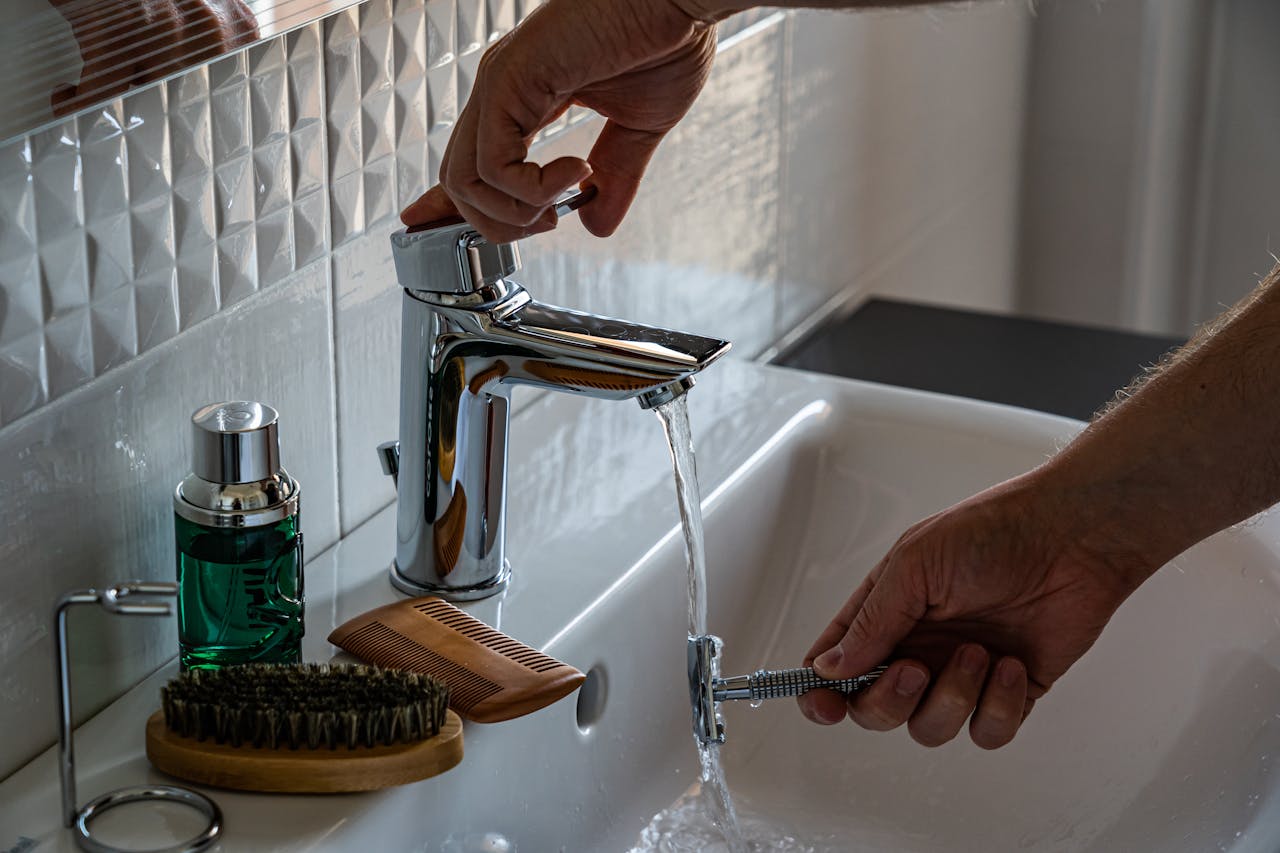
A well-maintained plumbing system is essential for a safe, efficient, and comfortable home. While plumbing issues can be daunting, having a basic understanding of your system and following practical tips can save you time, money, and the stress of unexpected repairs. Here are essential plumbing tips every homeowner should know to keep your home running smoothly.
Know the Location of Your Main Water Shut-Off Valve
In a plumbing emergency, such as a burst pipe, knowing where the main water shut-off valve is located can prevent extensive water damage. Typically, this valve is found near the water meter or where the main water line enters your home. Familiarize yourself with its location and how to turn it off, and ensure all household members know as well. Regularly test the valve to ensure it’s functioning properly, as older valves can become stiff or corroded.
Prevent Clogged Drains
Clogged drains are one of the most common plumbing problems, but they’re also one of the easiest to prevent. Avoid pouring grease, coffee grounds, or food scraps down the kitchen sink, as they can build up over time. In the bathroom, use drain screens to catch hair and soap residue before they enter the pipes. Periodically flush drains with a mixture of hot water, baking soda, and vinegar to break down any buildup and keep water flowing freely.
Insulate Your Pipes in Cold Weather
Frozen pipes can burst and cause significant damage, so protecting your plumbing during colder months is crucial. Insulate exposed pipes in unheated areas like basements, attics, or garages with foam sleeves or heat tape. During extreme cold, let faucets drip slightly to keep water moving through the pipes and reduce the risk of freezing. If you suspect a pipe is frozen, turn off the water supply and slowly thaw it using a hairdryer or warm towels.
Check for Leaks Regularly
Small leaks can lead to larger problems if left untreated. Inspect faucets, pipes, and appliances for signs of water leaks, such as drips, pooling water, or increased water bills. Pay special attention to areas under sinks and behind appliances like dishwashers and washing machines. Address leaks promptly by tightening connections or replacing worn-out parts to avoid further damage and water waste.