
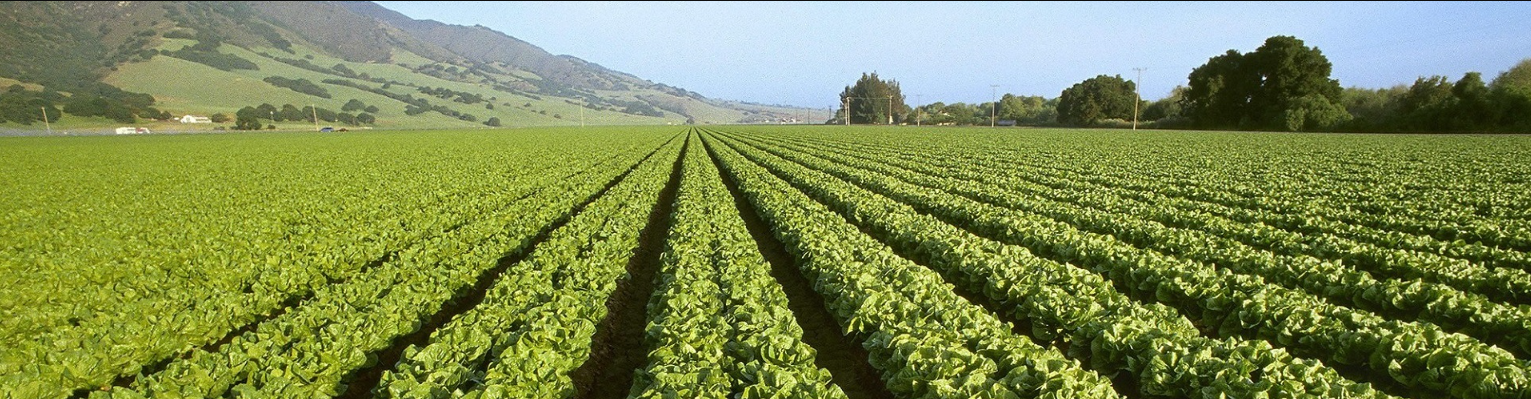
Growing fresh, organic produce no longer requires sprawling farmland or a backyard plot. As cities expand and arable land diminishes, innovative methods like the hydroponic garden offer a sustainable, space-efficient solution. Among these systems, the hydroponic tower garden stands out for its vertical design, self-contained irrigation, and minimal footprint. In this article, we’ll explore the science behind these remarkable structures, outline how to set one up at home, and examine why they represent the next frontier in urban agriculture.
Understanding the Hydroponic Tower Garden Concept
A hydroponic tower garden is a vertical cultivation system that replaces soil with a nutrient-rich water solution. Plants grow from net pots inserted along a tall, cylindrical column, their roots exposed to both water and air. A pump circulates the solution from a reservoir at the base, delivering essential nutrients evenly while conserving water. This design contrasts sharply with traditional horizontal gardens and conventional hydroponic beds, optimizing both vertical space and resource efficiency.
How Hydroponics Differs from Traditional Soil-Based Growing
- Nutrient Delivery: In a hydroponic garden, nutrients are precisely measured and dissolved in water, ensuring plants receive optimal nourishment without the variability of soil composition.
- Water Efficiency: Circulating the same solution through the system allows recycling of up to 95% of water, whereas conventional soil irrigation loses the majority of water to evaporation or runoff.
- Space Utilization: While one lettuce head might require a square foot in a traditional plot, a hydroponic tower can support 20–30 heads in the same ground footprint, dramatically increasing yield per square foot.
The Science Behind Hydroponic Tower Systems
At the heart of every hydroponic tower is a reservoir, pump, and a series of growing ports. The pump pushes nutrient solution up through the center of the column, where it disperses over the plant roots before dripping back into the tank. This constant cycle keeps roots moist, oxygenated, and well-fed.
Aeroponic Elements in Hydroponic Towers
Although widely categorised under hydroponics, many tower gardens employ aeroponic principles: roots are misted or briefly submerged, maximising oxygen exposure. Plants thrive under this regimen, often exhibiting faster growth rates and healthier foliage compared to continuous submersion systems.
Key Benefits of Vertical Hydroponic Gardening
- Urban Compatibility: Perfect for balconies, rooftops, or spare corners indoors—no yard needed.
- Year-Round Harvests: With optional LED grow lights, a hydroponic garden can flourish even in low-light conditions.
- Reduced Pest and Disease Pressure: Soil-borne pathogens and many common pests are virtually eliminated in a soilless setup.
- Consistent Yields: Controlled nutrient delivery and environmental parameters lead to predictable crop cycles.
Designing Your Own Hydroponic Tower at Home
Building or purchasing a hydroponic tower involves selecting food-safe materials, proper lighting, and a reliable pump system. Key considerations include:
Essential Components and Setup
- Tower Column & Net Pots: Ensure the plastic is BPA-free and rated for food contact (HDPE or PP).
- Reservoir & Pump: A submersible pump paired with an automated timer allows for precise watering intervals (e.g., 15 minutes on, 45 minutes off).
- Growing Medium: Options like rockwool or coconut coir can be used within net pots to support seedlings.
- Lighting (Optional): Full-spectrum LED grow lights simulate sunlight indoors; mount them on adjustable arms for even coverage.
Selecting Crops for Your Hydroponic Garden
Not all plants are equally suited for a hydroponic tower. Leafy greens and herbs—lettuce, spinach, basil, and mint—are ideal for beginners due to their compact root systems and rapid growth. As you gain experience, consider vining varieties such as cherry tomatoes or strawberries, which trellis attachments around the tower can support.
Maintenance, Monitoring, and Troubleshooting
Regular checks of pH (ideal range 5.5–6.5) and electrical conductivity (EC) keep nutrient levels balanced. Observe plants daily for signs of nutrient deficiencies (yellowing leaves) or overwatering (root rot). Cleaning the reservoir and piping between crop cycles prevents algae buildup and ensures long-term system health.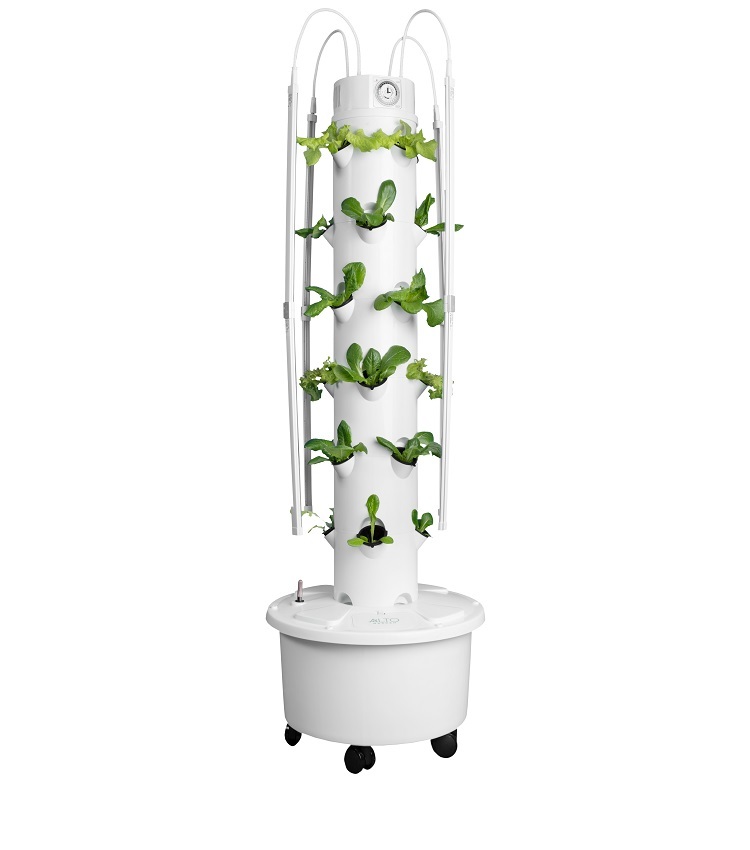
Environmental and Economic Impacts
Hydroponic gardens substantially reduce water consumption—using up to 95% less than traditional agriculture—and eliminate the need for harmful pesticides. Vertical stacking maximises land use, making hydroponic tower systems an economically viable choice for urban homesteaders and community co-ops seeking local, sustainable produce.
Maximising Yield Through Vertical Growth
Stacking plants vertically allows gardeners to multiply output without expanding their footprint. In just three-square feet, a single hydroponic tower can support over two dozen lettuce heads or a mix of greens and herbs. This density is transformative for gardeners constrained by space, whether in apartments, urban backyards, or educational settings.
Conclusion
The hydroponic tower represents a leap forward in sustainable, high-density agriculture. By leveraging soilless cultivation, precise nutrient delivery, and vertical design, even those without traditional garden space can enjoy fresh, organic produce year-round. If you’re ready to transform your home into a thriving oasis of greens, consider exploring the innovative hydroponic garden solutions from ALTO Garden.