
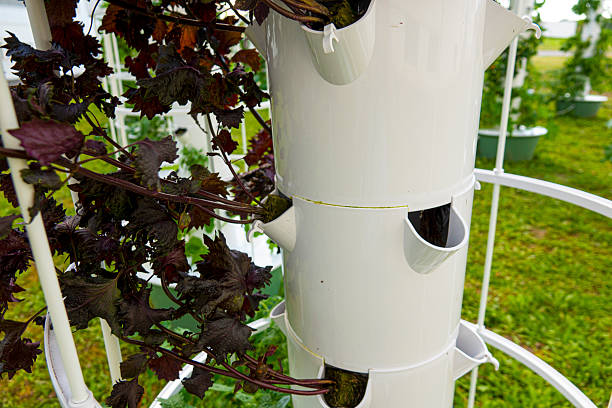
Growing fresh, nutrient-rich produce at home has never been more accessible than with innovative vertical systems. In this comprehensive guide, we explore how hydroponic towers revolutionize urban and small-space gardening, the critical role of hydroponic nutrients, and practical steps to set up a thriving hydroponic tower garden.
Understanding Hydroponic Towers and Their Advantages
What Are Hydroponic Towers?
Hydroponic towers are vertically stacked growing systems that suspend plants in a nutrient-rich water solution rather than soil. Each level of the tower contains net pots or sleeves to hold seedlings, while a central reservoir continuously circulates water and dissolved nutrients around the roots. This closed-loop design conserves space and water, making it ideal for balconies, kitchens, or any indoor/outdoor environment with limited square footage.
Benefits Over Traditional Soil Gardening
- Space Efficiency: A single hydroponic tower can support dozens of plants in under one square meter, delivering a yield per square foot that far exceeds conventional beds.
- Water Conservation: By recycling water through the tower, these systems can reduce water usage by up to 95% compared to soil-based farming—perfect for regions with water scarcity or for eco-conscious growers.
- Accelerated Growth: With direct access to oxygenated water and optimized mineral delivery, plants in hydroponic towers often grow three times faster than in soil, allowing for more harvest cycles per year.
- Cleaner Harvest: Without soil, there’s no mess, and produce can often be harvested ready-to-eat without washing, preserving delicate leaves and reducing post-harvest handling.
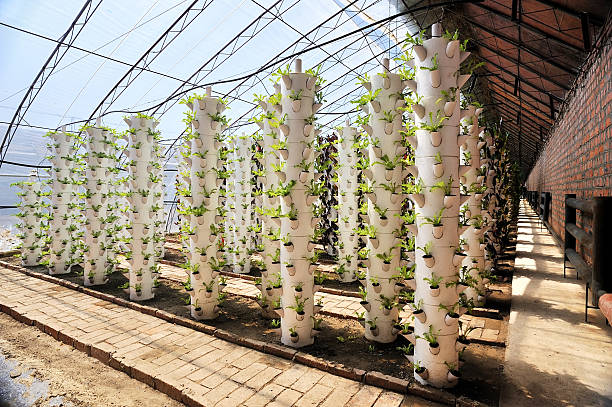
The Role of Hydroponic Nutrients in Optimizing Growth
Essential Components of Hydroponic Nutrient Solutions
A balanced hydroponic nutrient solution delivers all of the macro- and micronutrients that plants require:
- Macronutrients: Nitrogen (N), phosphorus (P), and potassium (K) are foundational for leafy growth, root development, and flowering.
- Secondary Nutrients: Calcium (Ca), magnesium (Mg), and sulfur (S) support cell structure, chlorophyll formation, and protein synthesis.
- Micronutrients: Elements like iron, manganese, zinc, copper, and boron are needed in trace amounts but are vital for enzyme function and hormone regulation.
Selecting a high-quality, water-soluble hydroponic nutrients formula ensures that each element remains bioavailable. Pre-mixed liquid concentrates, dry salts, or automated dosing systems can simplify the task of keeping nutrient levels within the ideal range.
Balancing pH and Nutrient Ratios
Maintaining an optimal pH (generally between 5.5 and 6.5) is crucial for nutrient uptake. A solution that is too acidic or alkaline locks out essential minerals, causing deficiencies. Regular monitoring with electronic pH meters or test strips allows growers to adjust pH using pH up or down solutions. In addition, electrical conductivity (EC) meters help track overall nutrient concentration. A stable EC reading prevents underfeeding (yielding weak plants) or overfeeding (risking nutrient burn).
Designing and Maintaining Your Hydroponic Tower Garden
Selecting the Right Hydroponic Tower System
When shopping for a hydroponic tower garden, consider:
- Reservoir Capacity: Larger reservoirs require less frequent refilling and stabilize pH and EC.
- Pump and Timer: Reliable circulation pumps paired with programmable timers automate nutrient delivery and aeration cycles.
- Lighting Options: Integrated LED grow lights with adjustable spectrums can extend growing seasons and support photosynthesis indoors.
- Material Durability: Food-grade plastic or UV-resistant composites withstand outdoor conditions without leaching chemicals or fading under sunlight.
Placement and Environmental Control
Whether placed on a balcony or in a sunlit corner of the living room, hydroponic towers benefit from:
- Light Exposure: At least 12–16 hours of light per day, combining natural sun or supplemental LEDs.
- Airflow and Humidity: Good ventilation discourages mold and pests; humidity levels of 50–70% support healthy leaf development.
- Temperature Range: Most leafy greens and herbs thrive between 65°F and 75°F; warmer temperatures may accelerate growth but require closer monitoring of dissolved oxygen levels.
Routine Maintenance Tasks
- Weekly Nutrient Check: Test and adjust pH and EC, topping off the reservoir as needed.
- Reservoir Cleaning: Every 2–4 weeks, drain and sanitize the system to prevent biofilm buildup and pathogens.
- Pruning and Harvesting: Regularly trim mature leaves to encourage new growth and maintain unobstructed light penetration for lower tiers.
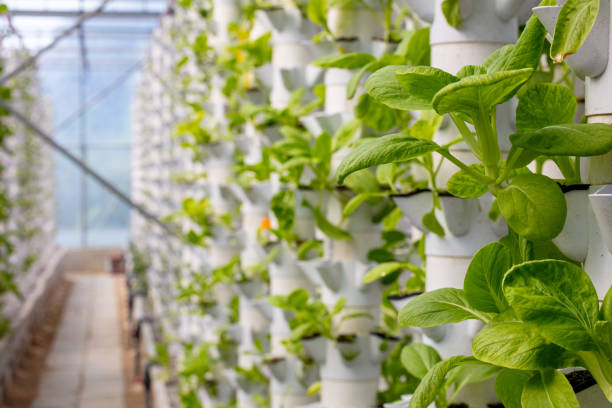
Getting Started: Step-by-Step Setup for Beginners
- Assemble the Tower
Unpack components, attach the reservoir base, secure the vertical columns, and install the pump according to manufacturer instructions. - Prepare the Nutrient Solution
Fill the reservoir with clean water and dissolve the recommended dose of hydroponic nutrients. Stir thoroughly and allow the solution to balance for 30 minutes before measuring pH. - Germinate Seeds or Transplant Seedlings
Use rockwool cubes, peat pellets, or other inert media. Once roots show at least ¼ inch, transfer plants into each net pot slot. - Program Irrigation Cycles
Set the timer to cycle nutrient flow every 15–30 minutes, running for 5–10 minutes each time to keep roots moist but well-aerated. - Monitor and Adjust
Check pH and EC daily for the first week, then every 2–3 days once conditions stabilize. Watch plant responses and tweak light height or cycle durations as needed. - Harvest and Enjoy
Leafy greens can be harvested in as little as three weeks, while fruiting crops like cherry tomatoes or peppers may take 6–8 weeks. Harvest outer leaves first and let inner foliage continue growing.
Troubleshooting Common Issues
- Yellowing Leaves: Often a nitrogen deficiency or pH imbalance—verify nutrient strength and adjust pH to the optimal window.
- Root Rot: Caused by stagnant water temperatures above 75°F—install air stones or reduce cycle duration to increase dissolved oxygen.
- Algae Growth: Cover exposed reservoir surfaces and use opaque tubing to block light; clean panels during reservoir maintenance.
Conclusion
Embracing a hydroponic tower garden unlocks unparalleled benefits: accelerated growth, efficient water usage, and space-saving vertical design. By mastering the art of hydroponic nutrients—balancing pH, monitoring EC, and cycling the solution—you’ll cultivate lush, vibrant produce year-round. Start small, observe carefully, and scale up as you gain confidence. Whether you’re a seasoned urban gardener or a curious beginner, hydroponic towers offer a rewarding path to fresh, homegrown vegetables and herbs.