
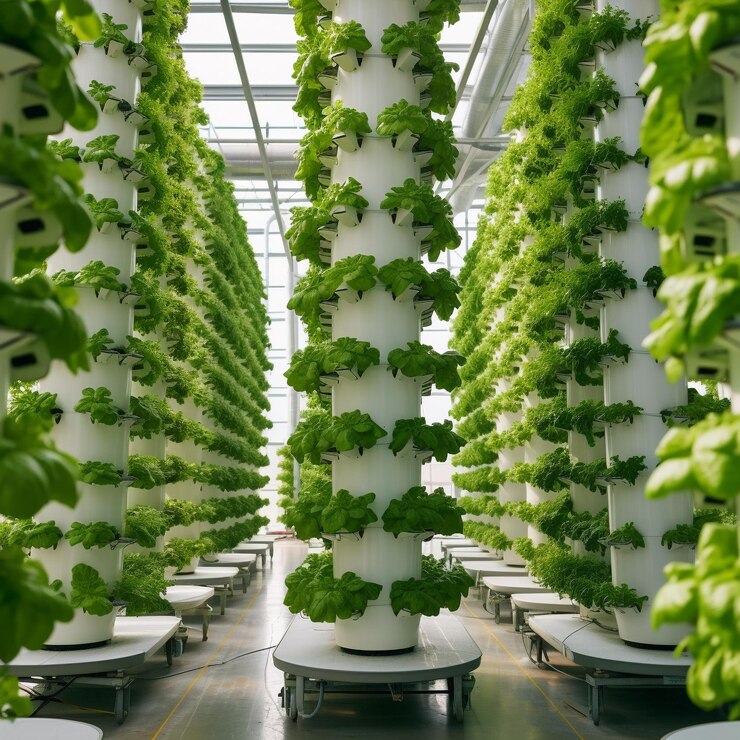
Vertical gardening has surged in popularity as urban dwellers and small-space gardeners seek innovative, space-efficient methods to grow fresh produce year-round. Among these, garden towers stand out for their compact footprint, modular design, and impressive yields. Combined with cutting-edge hydroponic tower technology, garden towers redefine traditional backyard and indoor gardening by leveraging water-efficient and soil-free cultivation. In this article, we explore how garden tower and hydroponic towers are transforming home gardening, discuss key features to consider when selecting a system, and provide best practices for maintenance and optimal harvests.
The Rise of Vertical Gardening with Garden Towers
Vertical gardening has gained momentum as an eco-friendly solution to limited space and rising food demands. Garden towers allow gardeners to grow dozens of plants in just a few square feet by stacking planting sites vertically. This approach offers several advantages:
- Space Efficiency
Traditional gardens require sprawling beds, but garden towers consolidate planting areas into a small footprint. A tower measuring just two feet in diameter can support dozens of herb, vegetable, or berry plants, making it ideal for balconies, patios, and even indoor sunrooms. - Improved Accessibility
With planting sites elevated and arranged in tiers, there is less bending and kneeling required, reducing strain on the back and knees. Harvesting and pruning become easier chores. - Enhanced Yield Density
By optimising light exposure and nutrient delivery, garden towers can produce up to three times more yield per square foot compared to horizontal garden beds. Whether growing leafy greens, strawberries, or compact pepper varieties, gardeners can enjoy abundant harvests.
How Hydroponic Towers Enhance Efficiency
While some garden towers rely on soil-based growing media, hydroponic towers take resource efficiency to the next level by eliminating soil altogether and circulating nutrient-rich water directly to plant roots.
Water Savings and Nutrient Delivery
Hydroponic towers recirculate water from a bottom reservoir through the tower and back again. This closed-loop system reduces water usage by up to 95% compared to traditional soil gardens, because:
- Minimal Evaporation: Water is contained within the reservoir and piping, so losses due to evaporation are greatly reduced.
- Targeted Hydration: Nutrient solution is delivered directly to root zones, ensuring that plants absorb nearly all the water and nutrients supplied.
- Automated Scheduling: Most hydroponic towers include timers or controllers that regulate irrigation intervals, preventing overwatering and promoting optimal root oxygenation.
This efficiency not only conserves water but also accelerates plant growth, with many hydroponic towers delivering harvests up to three times faster than conventional methods.
Clean, Soil-Free Cultivation
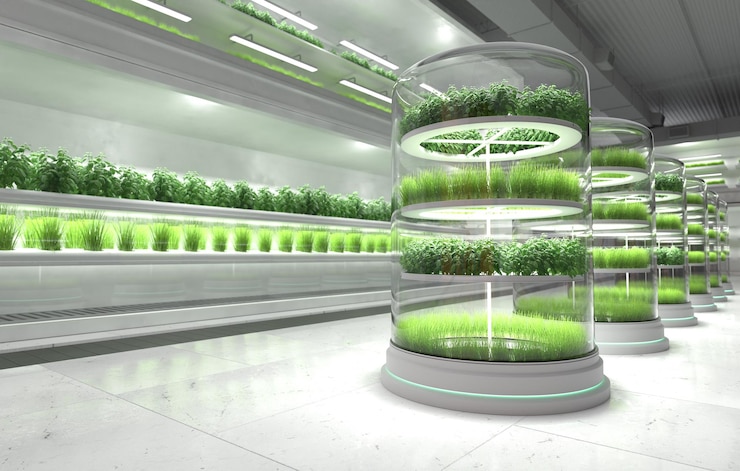
Hydroponic towers use inert growing mediums—such as rockwool cubes, perlite, or coco coir—to support young plants. Because there’s no soil to compact or harbor pathogens, hydroponic towers offer:
- Reduced Pest Pressure: Soil-borne pests and diseases are virtually eliminated.
- Cleaner Harvests: Roots and produce remain free of dirt, simplifying post-harvest cleaning.
- Consistent pH and EC Control: Growers can precisely monitor and adjust nutrient solution pH and electrical conductivity, tailoring conditions for each crop.
Choosing the Right Garden Tower for Your Space
Selecting a garden or hydroponic tower involves considering several factors to ensure a robust and rewarding gardening experience.
Footprint and Capacity
- Vertical Height vs. Width: Taller towers accommodate more plants but may require additional stabilisation or anchoring. Shorter, wider models might fit under lower ceilings but support fewer crops.
- Number of Pods: Towers commonly feature 12 to 24 planting sites. Think about your family’s consumption habits: if you regularly use fresh herbs, choose a tower with more pods dedicated to annual herbs like basil and cilantro.
Material Quality and Durability
- Food-Safe Construction: Ensure that the tower is made from BPA-free, food-grade plastics or UV-resistant composites that won’t degrade over time.
Leak Prevention: Look for towers with solid, seamless layers or robust gasket seals to avoid water leakage and potential damage to flooring or decking.
Pump and Reservoir Specifications
- Pump Reliability: A high-grade water pump calibrated for even flow through all planting sites is critical. Poor flow can lead to dry pockets or nutrient imbalances.
- Reservoir Capacity: Larger reservoirs require less frequent refilling but occupy more ground space. Consider a balance that matches your watering cycle preferences and available area.
Maintenance and Best Practices for Tower Gardening
Proper upkeep of garden towers and hydroponic towers ensures healthy plants, maximised yields, and longevity of the system.
- Monitor Water Quality
Test reservoir water weekly for pH and nutrient concentration. Aim for a pH of 5.8–6.2 for most vegetables and adjust nutrients based on crop stage. - Clean and Sanitize Regularly
Every 4–6 weeks, flush the system with clean water and mild sanitising solution (e.g., a diluted hydrogen peroxide rinse) to prevent biofilm buildup and algae growth. - Rotate Crops and Pods
To maintain balanced nutrient uptake and reduce disease risk, swap out fast-growing herbs and greens with fruiting plants like tomatoes or peppers on different cycles. - Inspect Roots and Pump
Healthy roots in hydroponic towers should appear white and fibrous. Brown or slimy roots indicate oxygen deprivation or nutrient overload—address by increasing water circulation intervals or adjusting nutrient strength.
Conclusion
Garden towers and hydroponic towers represent a forward-thinking approach to sustainable, high-yield home gardening. By leveraging vertical space and efficient water recirculation, these systems deliver fresh, nutrient-rich produce with minimal environmental impact. Whether you’re a novice grower or an experienced horticulturist, investing in a high-quality tower can transform how you grow herbs, greens, and fruits throughout the year.
Grow your food easily, efficiently, and sustainably—and experience the difference with ALTO Garden.