
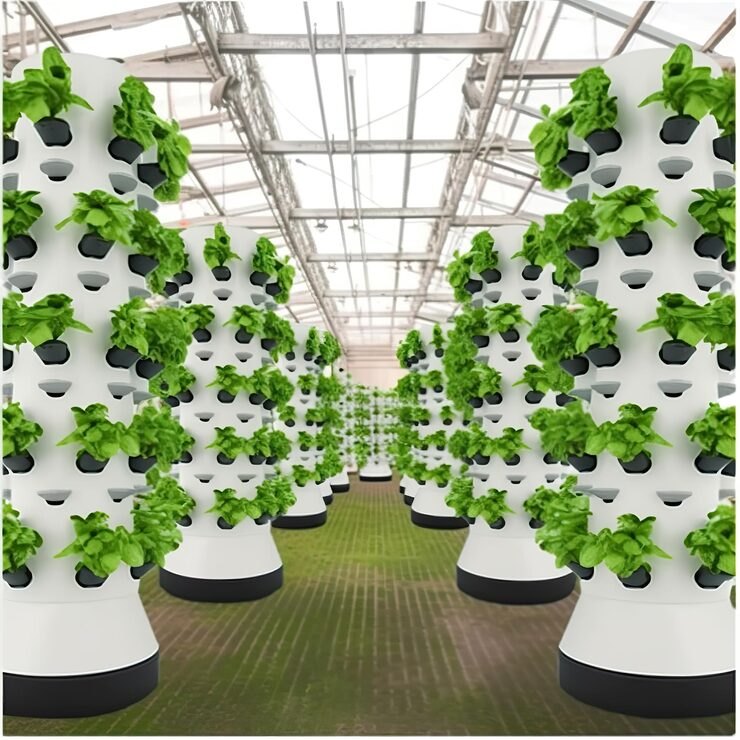
In today’s world, where urban living often means limited space, traditional gardening has become increasingly challenging. That’s where hydroponic towers come into play. These innovative systems allow you to create a thriving vertical garden that requires less space, less water, and grows food at a much faster rate than soil-based methods. Whether you live in an apartment, condo, or simply want a sustainable way to grow fresh produce, hydroponic towers are revolutionising how we think about home gardening.
What Are Hydroponic Towers?
Hydroponic towers are vertical gardening systems that use hydroponic or aeroponic methods to grow plants without soil. Instead, plants are placed in net pots, where their roots are misted or soaked in a nutrient-rich water solution. The tower design stacks multiple plants vertically, allowing you to grow dozens of fruits, vegetables, and herbs in a fraction of the space needed for a traditional garden.
Key Features of Hydroponic Towers
- Space-efficient design: Grow up to 24 plants in less than a square meter.
- No soil required: Keeps gardening clean and hassle-free.
- Water efficiency: Uses up to 95% less water than traditional farming.
- Faster growth rates: Plants grow up to 3x faster than in soil.
- Portability: Indoor and outdoor adaptability with minimal setup.
Why Choose a Vertical Garden?
A vertical garden is more than just a beautiful addition to your home; it’s a practical solution for sustainable living. Vertical gardening maximises yield per square foot, making it ideal for small living spaces while providing fresh produce right at your fingertips.
Benefits of Vertical Gardens
- Efficient Use of Space
Traditional gardens can take up 20–30 square feet to grow what a single hydroponic tower can produce. By stacking plants vertically, you achieve higher yields in smaller areas.
- Cleaner and Safer Produce
Since hydroponic tower eliminate the use of soil, your crops are free from soil-borne pests, bacteria, and weeds. Many people even enjoy the convenience of eating vegetables right from the tower without washing.
- Eco-Friendly Gardening
Vertical gardens drastically reduce the amount of water wasted. With closed-loop watering systems, the water circulates throughout the tower, saving resources and making it a sustainable gardening method.
Growing With Hydroponic Towers
One of the reasons hydroponic towers are gaining popularity is their simplicity. You don’t need years of gardening experience to get started.
Step 1: Germination
Begin by planting seeds in rockwool cubes. The cubes hold moisture and nutrients, giving seeds the perfect environment to sprout. A germination light ensures seedlings receive the light they need.
Step 2: Transplanting Seedlings
Once the seedlings are strong enough, transfer them to the net pots on your tower. Their roots will soon spread and start absorbing nutrients from the water solution.
Step 3: Automated Growth
With built-in LED lights and automated timers, your plants receive consistent light and water. This automation minimises human error and ensures optimal growth conditions.
Step 4: Harvest
In just a few weeks, you’ll be harvesting fresh herbs, greens, or even fruits directly from your tower. Lettuce, basil, kale, peppers, and strawberries are just a few of the crops that thrive in hydroponic towers.
Indoor and Outdoor Flexibility
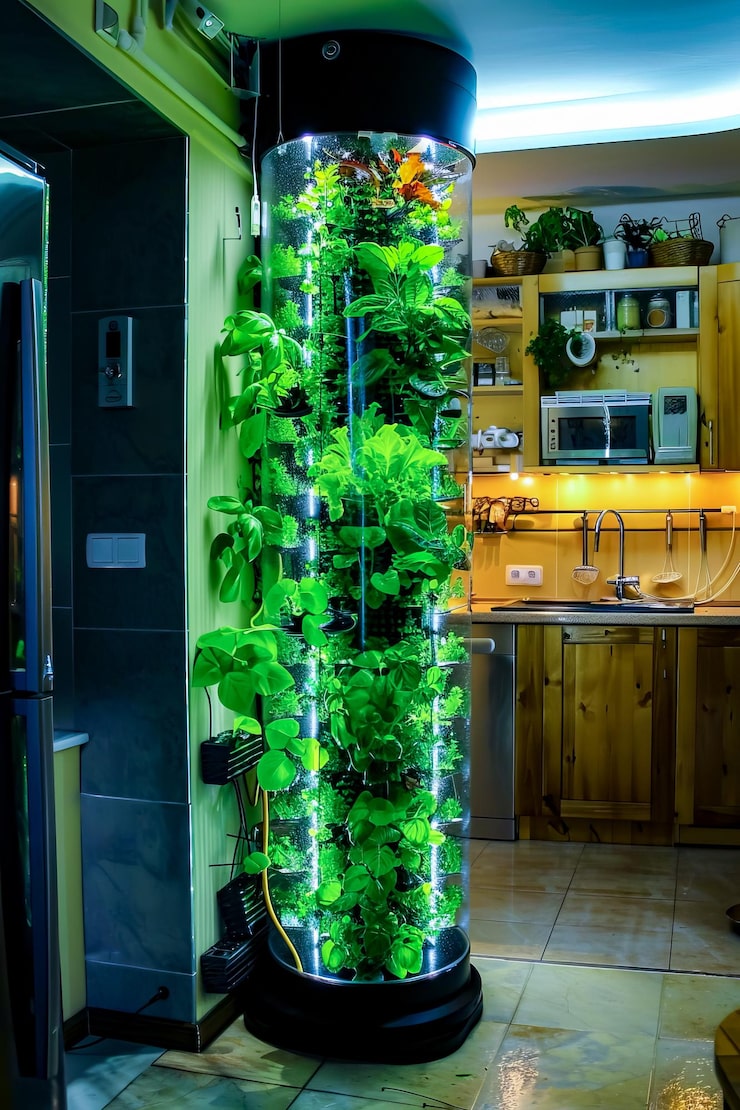
Hydroponic towers can be used indoors or outdoors, depending on the season and your preferences. Indoors, LED grow lights provide the necessary wavelengths for plant growth. Outdoors, natural sunlight takes over, and plants such as cucumbers and tomatoes can even benefit from pollination by bees or the wind.
The portability of towers makes it easy to shift between indoor and outdoor gardening. With durable construction and food-grade materials, these systems are designed to withstand various conditions while maintaining plant health.
Popular Crops to Grow in Vertical Gardens
Hydroponic towers are versatile and support a wide variety of plants. Here are some popular options:
- Leafy Greens: Lettuce, kale, spinach, and Swiss chard.
- Herbs: Basil, parsley, chives, and rosemary.
- Fruits: Strawberries and tomatoes.
- Vegetables: Peppers, cucumbers, and arugula.
This variety allows you to enjoy a balanced mix of flavours and nutrients, all grown organically at home.
Sustainability and Efficiency
With growing concerns about food security and sustainability, hydroponic towers provide a solution that is both eco-friendly and practical. These systems:
- Use 95% less water than soil gardening.
- Deliver a 30% increase in yield compared to traditional gardens.
- Eliminate the need for chemical fertilisers and pesticides when managed organically.
This makes vertical gardening a sustainable choice for anyone wanting to reduce their environmental footprint while still enjoying homegrown food.
The Beauty of Hydroponic Towers in Modern Homes
Beyond the practical benefits, hydroponic towers bring an aesthetic value to homes. A fully grown tower is not only functional but also serves as a living décor piece. Its lush greenery adds vibrancy to any room, balcony, or patio, making it both a gardening tool and a design feature.
Conclusion
Hydroponic towers are transforming the way people grow food at home. With their vertical garden design, they save space, conserve water, and accelerate plant growth—all while allowing you to harvest fresh, organic produce right in your living space. Whether you’re an urban dweller with limited room or someone seeking a more sustainable lifestyle, hydroponic towers offer an innovative solution.
For those who want to experience the benefits firsthand, ALTO Garden provides advanced hydroponic towers designed to make gardening effortless, efficient, and enjoyable. Embrace vertical gardening and take the first step toward growing your own organic food at home.