
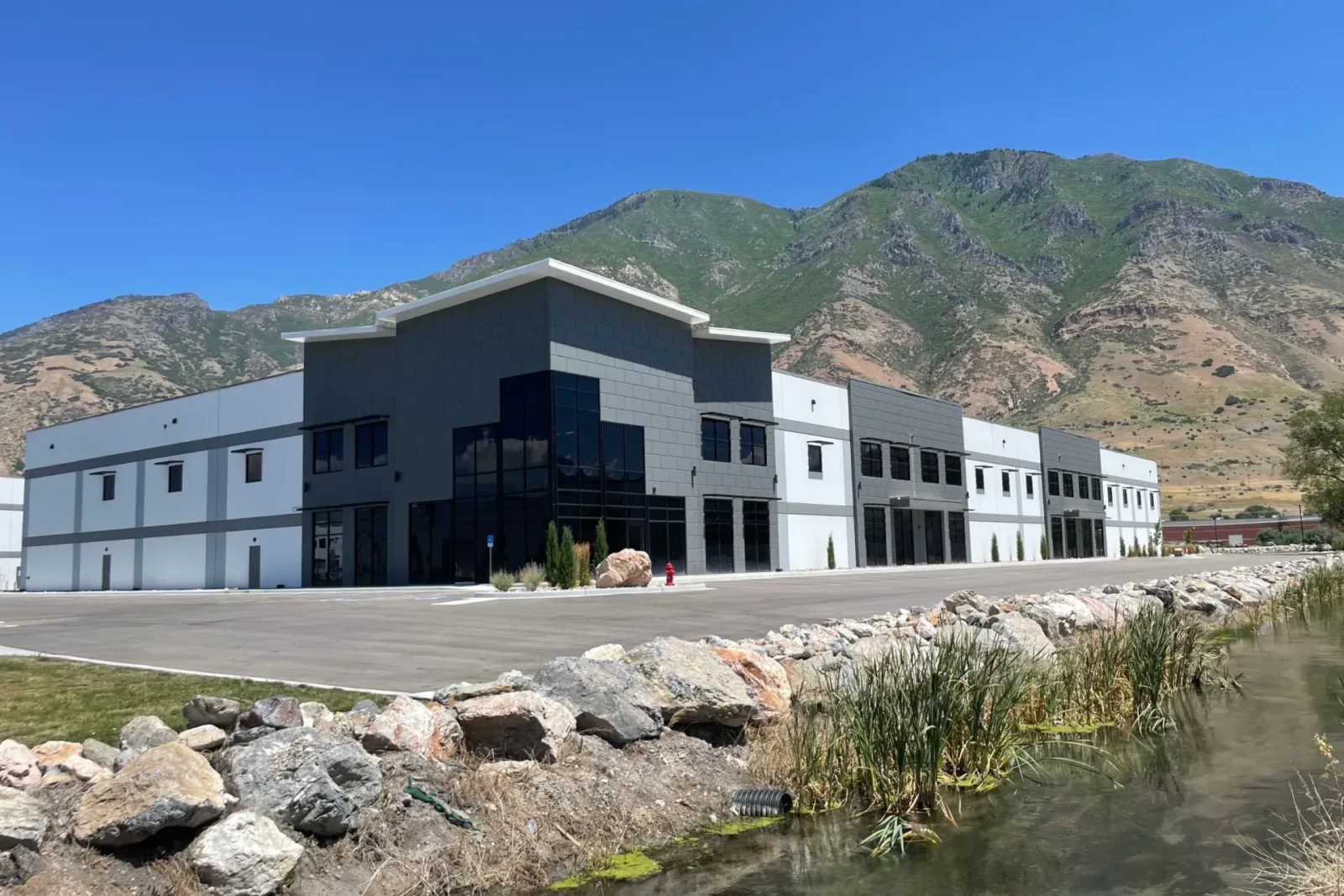
Developing a commercial property involves far more than constructing buildings. Every successful project begins with carefully planned infrastructure that supports business operations, transportation, utilities, and long-term growth. Without proper infrastructure, even a prime location can face delays, safety concerns, and rising development costs.
As Utah continues to experience rapid economic and population growth, commercial projects are expanding across cities like Salt Lake City, Provo, Ogden, and St. George. Because of this growth, experienced commercial land developers place strong focus on infrastructure planning before construction begins.
From roads and drainage systems to utilities and environmental preparation, infrastructure serves as the backbone of successful commercial land development in Utah. Understanding these requirements can help investors, developers, and business owners make smarter decisions before breaking ground.
Why Infrastructure Planning Matters in Commercial Projects
Infrastructure directly affects how efficiently a commercial property operates. Businesses rely on smooth transportation access, reliable utilities, and safe site conditions to serve customers and support daily operations.
For example, a retail development near a busy Utah highway may require upgraded intersections and expanded parking areas to handle increased traffic. An industrial facility may need enhanced electrical capacity and freight access routes before operations can begin.
Professional commercial land developers evaluate these factors early because infrastructure problems discovered later can significantly increase costs and delay approvals.
Benefits of Strong Infrastructure Planning
- Faster permitting and approval processes
- Improved long term property value
- Better traffic and customer accessibility
- Reduced maintenance and repair expenses
- Stronger compliance with local regulations
Proper planning also helps developers avoid unexpected site preparation costs during construction.
Essential Utility Systems for Commercial Land Development in Utah
Utility infrastructure is one of the first considerations during commercial site planning. Businesses depend on reliable utility services to operate efficiently and support future growth.
Water and Sewer Infrastructure
Every commercial property requires dependable water access and wastewater management systems. Developers must determine whether municipal utility connections already exist or if new lines need to be extended.
For example, commercial developments located on the outskirts of growing Utah communities may require significant utility expansion before construction can begin.
Restaurants, hotels, office buildings, and industrial facilities often require different water capacities based on operational demands.
Electrical and Energy Systems
Commercial buildings consume much higher levels of electricity compared to residential properties. Large developments frequently require upgraded transformers, underground power systems, and backup energy planning.
Modern businesses also prioritize energy efficiency to reduce long term operating expenses.
Internet and Communication Networks
Reliable internet infrastructure has become essential for modern commercial spaces. Office developments, healthcare facilities, and technology companies often require fiber optic connectivity and advanced communication systems.
High speed connectivity can even increase property appeal for future tenants and investors.
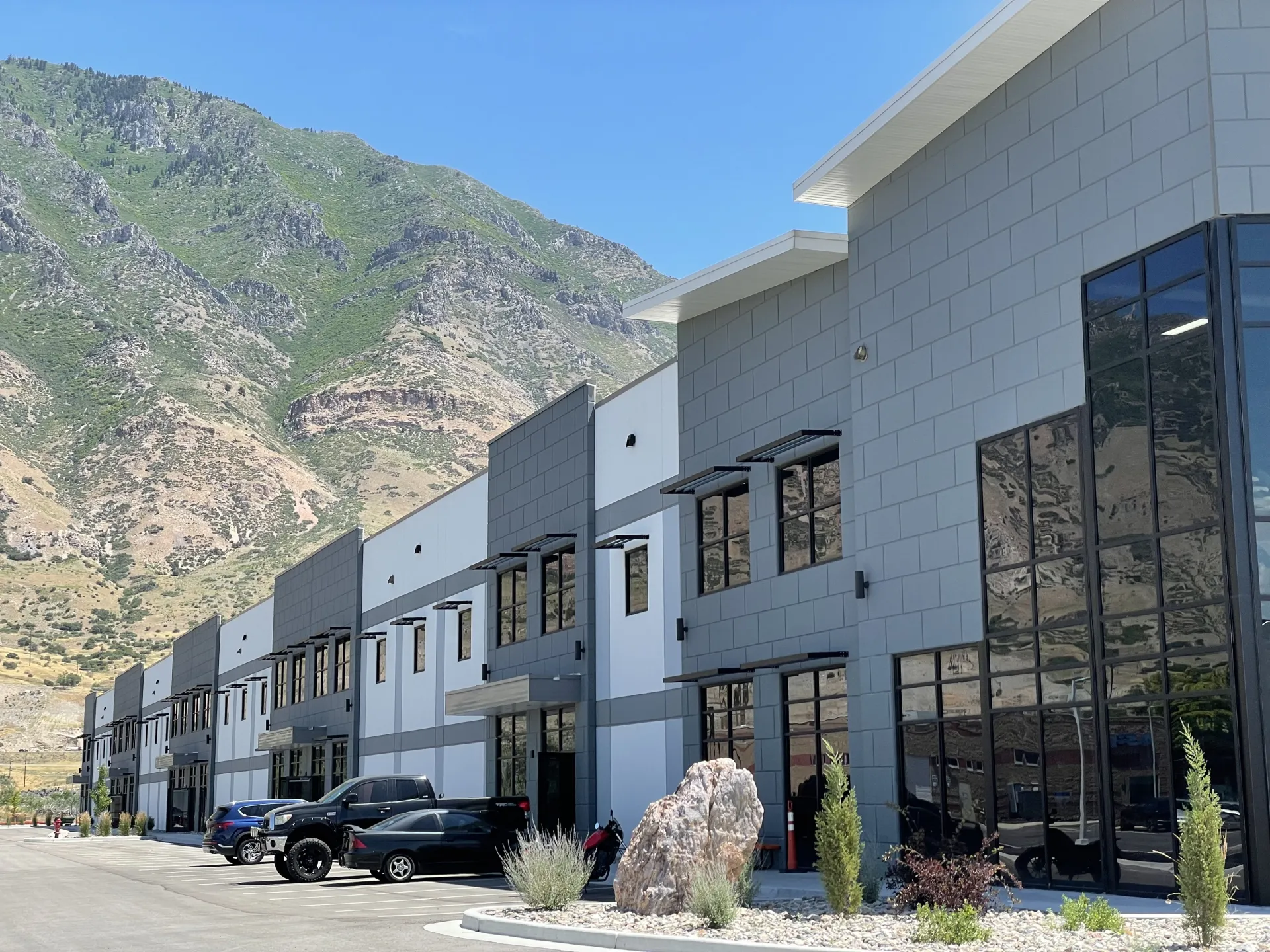
Transportation and Road Infrastructure Requirements
Transportation infrastructure plays a major role in the success of commercial properties. Roads, sidewalks, parking lots, and traffic flow all influence accessibility and customer experience.
Road Access and Traffic Management
Utah municipalities often require traffic impact studies before approving large commercial developments. These studies help determine whether nearby roads or intersections can support additional traffic volume.
For example, a new shopping center may need:
- Additional turning lanes
- Traffic signal upgrades
- Road widening improvements
- Dedicated delivery access routes
Experienced commercial land developers typically coordinate with city planners early to address these transportation requirements before construction begins.
Parking and Accessibility
Commercial developments must comply with local parking requirements and accessibility regulations. Proper parking lot design improves traffic circulation and creates a safer experience for customers and employees.
Accessible sidewalks, ramps, and emergency access routes are also important components of commercial infrastructure planning.
Drainage and Stormwater Management Systems
Drainage is one of the most important infrastructure elements in commercial land development in Utah because of the state’s changing weather conditions and varying terrain.
Snowmelt, seasonal rainstorms, and elevation changes can all create water management challenges. Without proper drainage systems, commercial sites may face flooding, erosion, or structural damage.
Common Drainage Infrastructure Includes
- Retention and detention ponds
- Underground stormwater piping
- Grading and slope adjustments
- Curbs and gutter systems
- Erosion control barriers
Pro Tip
Always request a detailed soil and drainage analysis before purchasing commercial land. Hidden grading or drainage issues can dramatically increase development costs later in the project.
Developers who address drainage concerns early typically avoid expensive future repairs and permit complications.
Environmental and Site Preparation Requirements
Before construction begins, developers must prepare the site to ensure long term structural stability and environmental compliance.
Soil Testing and Land Grading
Not all commercial land is immediately construction ready. Some properties may require excavation, compaction, or stabilization work before building foundations can be safely installed.
For example, hillside developments in Utah may require additional grading and erosion protection to improve safety and reduce future land movement risks.
Environmental Compliance
Environmental reviews are often necessary for larger commercial projects. Local governments may evaluate wetlands, wildlife impacts, water runoff, and land preservation concerns before issuing approvals.
Professional commercial land developers understand how to navigate these requirements efficiently while maintaining project timelines.
Public Infrastructure and Community Coordination
Commercial projects must also align with local community infrastructure plans. Cities evaluate whether nearby roads, utilities, emergency services, and public systems can support new developments.
This is especially important in rapidly growing Utah areas where infrastructure demand continues to increase.
Examples of Public Infrastructure Coordination
| Infrastructure Area | Purpose |
|---|---|
| Road Improvements | Supports traffic flow |
| Utility Upgrades | Handles increased demand |
| Emergency Access | Improves public safety |
| Sidewalk Expansion | Enhances pedestrian access |
Developers who work closely with local municipalities often experience smoother approval processes and stronger long term project success.
Smart Technology Infrastructure Is Growing Rapidly
Technology is becoming a major part of modern commercial construction. Many businesses now prefer properties equipped with smart infrastructure systems that improve efficiency and sustainability.
Popular technology infrastructure features include:
- EV charging stations
- Smart security systems
- Automated lighting controls
- Energy efficient utility systems
- Smart irrigation technology
These features not only improve functionality but can also increase long term property value.
Conclusion
Successful commercial projects require much more than a good location. Utilities, drainage systems, transportation access, environmental preparation, and public infrastructure all play essential roles in project success.
As demand for commercial land development in Utah continues to grow, infrastructure planning remains one of the most important factors in creating safe, efficient, and profitable commercial properties. Skilled commercial land developers understand how to coordinate these systems while meeting local regulations and preparing sites for future growth.
Whether building retail centers, office parks, or industrial facilities, investing in strong infrastructure from the beginning helps reduce risks, improve long term value, and support lasting business success.