
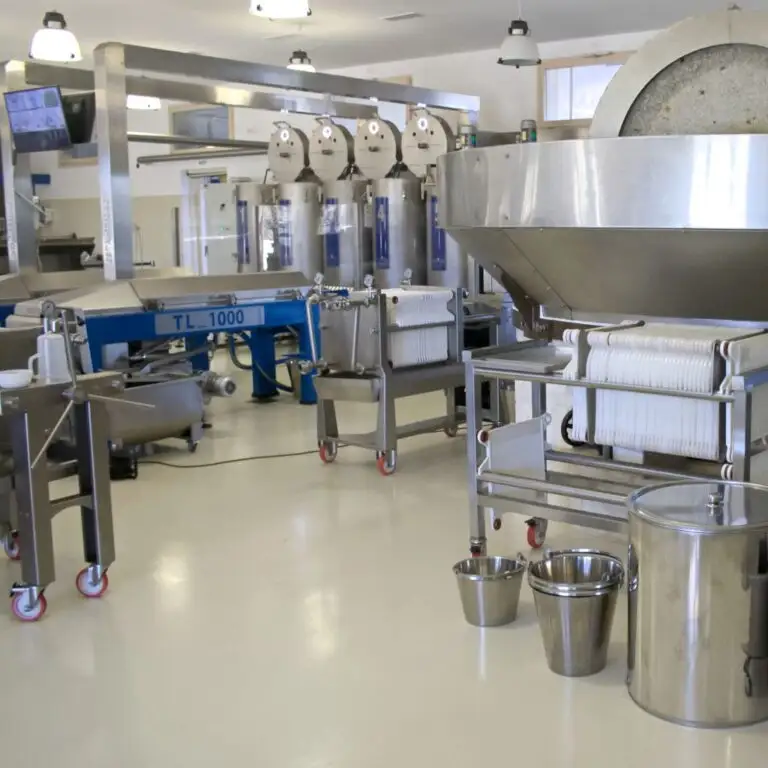
Commercial kitchens operate in demanding environments where floors must withstand constant foot traffic, spills, heat, grease, and frequent cleaning. Choosing the right flooring system is essential for maintaining safety, hygiene, and long-term durability. One of the most reliable solutions for restaurants, food production facilities, and catering kitchens is commercial kitchen epoxy flooring.
In New Jersey, many restaurants and food service facilities prefer epoxy flooring because it provides a seamless, durable, and easy-to-maintain surface designed specifically for food environments.
Why Epoxy Flooring is Ideal for Commercial Kitchens
Commercial kitchens require flooring that meets strict sanitation and safety standards. Epoxy flooring systems are engineered to handle heavy usage while maintaining a hygienic environment.
A high-quality epoxy floor creates a seamless and non-porous surface, preventing bacteria, grease, and moisture from penetrating the floor. This makes cleaning easier and helps maintain compliance with food safety standards.
Because epoxy flooring contains no grout lines or joints, it eliminates areas where dirt and bacteria can accumulate—an important advantage in food preparation areas.
Key Benefits of Commercial Kitchen Epoxy Flooring
Exceptional Durability
Restaurant kitchens experience heavy foot traffic, equipment movement, and frequent spills. Epoxy floors are extremely durable and capable of handling continuous activity without cracking or deteriorating.
Many high-performance epoxy systems can last 10–20 years when installed professionally, making them a long-term investment for commercial facilities.
Slip Resistance for Safety
Safety is a top priority in busy kitchens. Epoxy flooring can be customized with anti-slip aggregates that improve traction and reduce the risk of workplace accidents.
This feature is especially useful near cooking stations, sinks, and fryer areas where floors frequently become wet or greasy.
Easy Cleaning and Maintenance
Commercial kitchens require constant cleaning and sanitation. Epoxy floors are easy to maintain because they resist stains, chemicals, and moisture.
Daily sweeping and routine mopping with a neutral cleaner are usually enough to keep the surface in excellent condition.
The seamless design also prevents bacteria buildup, helping maintain a hygienic kitchen environment.
Resistance to Heat and Chemicals
Kitchens experience extreme temperature changes from hot cooking equipment and cold storage areas. Epoxy flooring systems are designed to withstand thermal shock and harsh chemicals commonly used for sanitation.
This makes them ideal for food processing areas and restaurant kitchens.
Seamless and Hygienic Surface
Unlike tile floors with grout lines, epoxy floors create a continuous surface. This reduces contamination risks and supports strict sanitation standards required in commercial kitchens.
Common Types of Epoxy Flooring for Commercial Kitchens
Different kitchens require different flooring systems depending on their operations. In New Jersey, contractors typically install several epoxy floor variations.
Quartz Epoxy Flooring
Quartz epoxy floors are widely used in restaurants due to their excellent slip resistance and durability. These systems combine epoxy resin with quartz grains to create a textured, attractive surface.
Urethane Cement Flooring
Many professional kitchens use urethane cement systems because they offer superior resistance to heat, moisture, and thermal shock.
Decorative Flake Epoxy Floors
Flake epoxy flooring provides durability while improving the visual appearance of the kitchen. The colored flakes create texture and enhance slip resistance.
Self-Leveling Epoxy
Self-leveling epoxy systems are ideal for damaged or uneven concrete floors. They create a smooth, seamless surface that restores old flooring.
Cost of Commercial Kitchen Epoxy Flooring in New Jersey
The cost of epoxy flooring depends on several factors, including floor condition, surface preparation, and the type of epoxy system used.
Although the initial investment may be higher than basic flooring options, epoxy flooring provides long-term value due to its durability and low maintenance costs.
Final Thoughts
When it comes to durability, hygiene, and safety, commercial kitchen epoxy flooringin New Jersey stands out as one of the best flooring solutions available. Its seamless design, chemical resistance, and slip-resistant surface make it ideal for restaurants, food production facilities, and catering kitchens.
Investing in high-quality epoxy flooring ensures your commercial kitchen remains safe, compliant, and easy to maintain for years to come. With proper installation and regular maintenance, epoxy floors can deliver outstanding performance while improving the overall efficiency of your food service operation.