
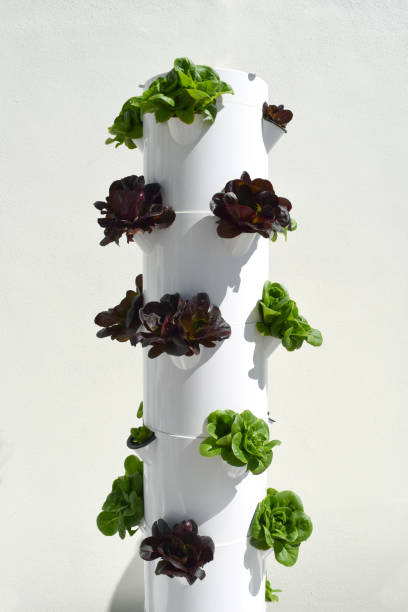
Traditional gardening, while deeply satisfying, often comes with limitations – primarily space and growth speed. Enter the aeroponic tower garden, a revolutionary approach that’s transforming how we think about cultivating food. This innovative system, a specialized form of hydroponics, allows plants to thrive with unprecedented speed and efficiency, making fresh, homegrown produce accessible to everyone, regardless of their living space. Imagine a vertical garden that delivers up to three times faster growth than conventional soil methods, all while significantly conserving water. That’s the power of aeroponics.
The Aeroponic Advantage: Faster Growth, Less Water
At its core, an aeroponic tower garden operates by suspending plant roots in air within a vertical structure. Instead of being submerged in water like some hydroponic systems, these roots are regularly misted or dripped with a nutrient-rich water solution. This intermittent watering provides a crucial balance: plants receive all the essential nutrients they need, but their roots also get ample exposure to oxygen.
- Enhanced Nutrient Absorption: With roots directly exposed to the nutrient solution, plants can absorb vital elements more efficiently. There’s no soil acting as a barrier or diluting the nutrient concentration.
- Superior Oxygen Uptake: Unlike soil-bound roots that can struggle for oxygen, aeroponic roots have constant access to air. This increased oxygen supply fuels robust root respiration, leading to faster, healthier plant development.
- Unrivaled Water Efficiency: Aeroponic systems are marvels of conservation. Water is recycled within a closed-loop system, with gravity guiding excess solution back to a reservoir for reuse. This drastically reduces water waste, often by as much as 95% compared to traditional gardening.
- Space-Saving Vertical Design: The vertical nature of these towers means you can grow a significant amount of produce in a remarkably small footprint. This makes them ideal for urban dwellers, apartment residents, or anyone with limited outdoor space looking to cultivate a thriving vertical garden.
Diving Deeper: Aeroponics vs. Hydroponics
While closely related, it’s helpful to understand the distinction between aeroponics and other hydroponic methods. Hydroponics, in its broadest sense, refers to growing plants without soil, using nutrient-rich water. Aeroponics is a specific technique within this family.
In methods like deep water culture or nutrient film technique, plant roots are submerged or constantly flow through a shallow stream of water. Aeroponics, however, prioritizes air exposure. The roots are suspended, receiving their sustenance through fine mists or controlled drips. This subtle but significant difference in root environment is a key factor in the accelerated growth rates often observed in aeroponic systems.
A Look at the Mechanics: How Your Aeroponic Tower Works
Understanding the components of an aeroponic tower garden reveals its ingenious simplicity and efficiency.
- The Reservoir: This is the foundation of your system, located at the base of the tower. It holds the essential mixture of water and dissolved nutrients. The size of your reservoir directly impacts how often you’ll need to refill it.
- The Water Pump: A submersible pump draws the nutrient solution from the reservoir and pushes it upwards through a central column or tubing to the top of the tower.
- Distribution System: From the top, the nutrient solution is precisely delivered, either through misters that create a fine fog or through a drip system that allows the solution to trickle down, bathing the suspended roots as it descends.
- Growth Chambers: These are the individual pockets or openings along the vertical tower where your plants reside, with their roots extending into the central air chamber.
- The Recycling Loop: After nourishing the roots, gravity draws the excess nutrient solution back down into the reservoir, ready to be recirculated. This continuous cycle minimizes waste and maximizes nutrient utilization.
For indoor aeroponic tower gardens, supplementary equipment is often employed to optimize growing conditions:
- Grow Lights (LEDs are King): If natural sunlight is insufficient, specialized LED grow lights provide the full spectrum of light plants need for photosynthesis. Their energy efficiency and ability to be positioned vertically make them ideal for tower systems.
- Timers: Automation is a hallmark of aeroponic gardening. Timers control the watering cycles (how often and for how long the nutrients are delivered) and lighting schedules, allowing for a “set it and forget it” approach to cultivation.
Optimal Care for Your Aeroponic Tower Garden
While an aeroponic tower garden simplifies many aspects of gardening, maintaining optimal conditions is key to success.
- Nutrient Solution and pH: Use high-quality, water-soluble nutrient solutions to prevent buildup. Regularly monitor and adjust the pH of your solution (ideally between 5.5 and 6.5) to ensure plants can properly absorb nutrients.
- Water Levels: Always ensure your reservoir has sufficient water to keep the pump submerged and functioning correctly.
- Lighting Schedule: For indoor setups, adhere to a consistent light schedule, typically 12-16 hours per day, adjusting the distance of LED lights as your plants grow.
- Watering Intervals: Fine-tune your watering schedule based on plant type, growth stage, and ambient temperatures. A common starting point is 15 minutes on, 45 minutes off, for 14-18 hours daily.
- Temperature and Humidity: Aim for an ideal temperature range of 65 to 78 degrees Fahrenheit and maintain humidity around 60% for healthy plant development in your vertical garden.
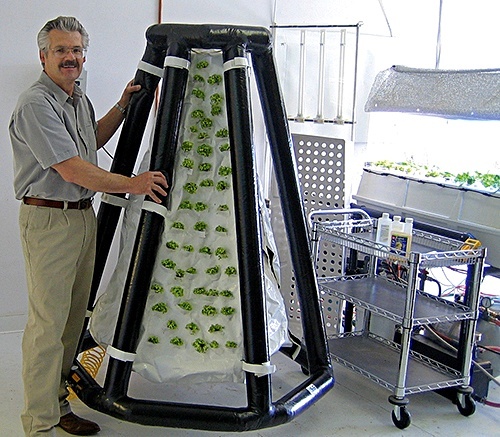
Ideal Crops for Your Aeroponic Tower
The versatility of an aeroponic tower garden allows for a wide array of crops. Leafy greens like lettuce, kale, spinach, and mustard greens thrive, as do herbs such as basil, parsley, and mint. Many fruits and vegetables, including strawberries, cherry tomatoes, and cucumbers, can also be successfully grown, though vining plants may require additional support like a trellis. The accelerated growth and nutrient delivery mean higher yields of fresh, nutrient-dense produce right in your home.
Conclusion: Embrace the Future of Home Gardening with ALTO Garden
The aeroponic tower garden represents a significant leap forward in sustainable and efficient food production. From its ability to deliver up to three times faster growth and incredible water savings to its minimal space requirements, it offers a compelling alternative to traditional gardening. Whether you’re a seasoned green thumb or a complete novice, these systems empower you to cultivate fresh, healthy produce year-round, right in your own home. The ease of maintenance, coupled with the potential for higher yields and a reduced environmental footprint, makes the aeroponic tower an attractive solution for modern living. For those seeking to embark on this exciting journey into advanced home gardening, ALTO Garden offers a range of innovative aeroponic tower systems designed to help you cultivate abundance and transform your space into a vibrant, productive oasis.