
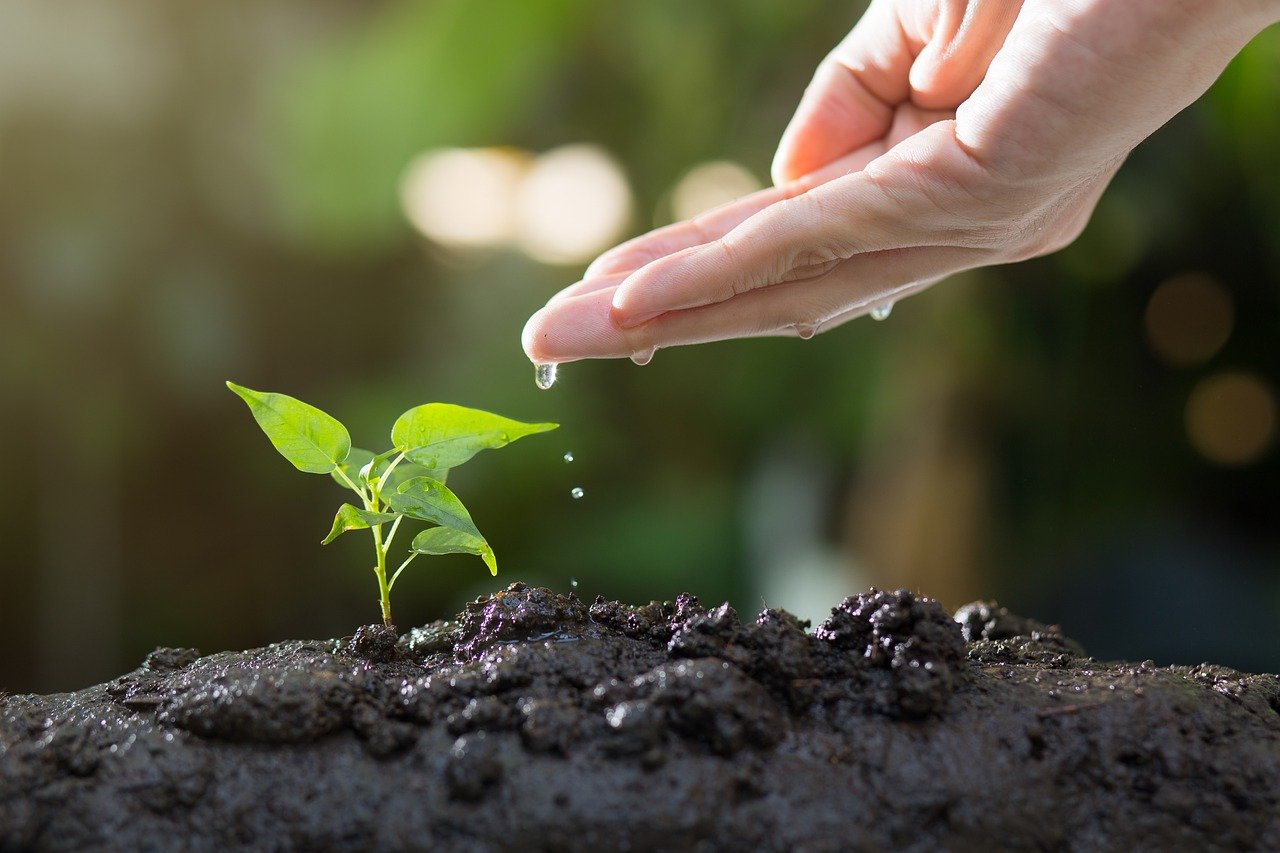
Creating a garden that bursts with blooms and vitality requires more than just planting flowers—it’s about nurturing the ecosystem and crafting an environment where plants thrive. With the right approach, your garden can become a blooming paradise that is the envy of the neighborhood. Here are expert tips to help you achieve stunning results.
Plan for Sunlight and Shade
Understanding your garden’s sunlight and shade patterns is crucial for plant selection. Observe which areas receive full sun, partial shade, or full shade throughout the day. Choose plants that are well-suited to these conditions. For instance, marigolds and zinnias thrive in sunny spots, while ferns and hostas prefer shady corners.
Water Wisely
Efficient watering practices ensure healthy plants and conserve water. Water deeply but less frequently to encourage deep root growth. Early morning is the best time to water, as it minimizes evaporation and allows foliage to dry before evening, reducing the risk of fungal diseases. Drip irrigation systems or soaker hoses deliver water directly to the roots, optimizing hydration.
Deadhead and Prune Regularly
Deadheading spent blooms encourages plants to produce more flowers, extending their blooming period. Pruning removes dead or diseased branches and shapes the plant for better growth. Always use clean, sharp tools to avoid damaging plants or spreading diseases.
Attract Pollinators
Pollinators like bees, butterflies, and birds play a vital role in a flourishing garden. Plant nectar-rich flowers such as lavender, sunflowers, and daisies to attract them. Avoid using chemical pesticides that can harm these beneficial creatures, and consider adding features like bird feeders or shallow water dishes.
Rotate Crops and Companion Plant
For vegetable and herb gardens, rotating crops prevents soil depletion and reduces the risk of pests and diseases. Companion planting, such as growing marigolds near tomatoes, can naturally deter pests and improve plant health. Research plant pairings that work well together to maximize your garden’s productivity.
Use Vertical Space
Vertical gardening is a great way to make the most of limited space while adding visual interest. Install trellises, arbors, or wall-mounted planters to grow climbing plants like ivy, cucumbers, or morning glories. Hanging baskets with cascading blooms add another dimension to your garden.