
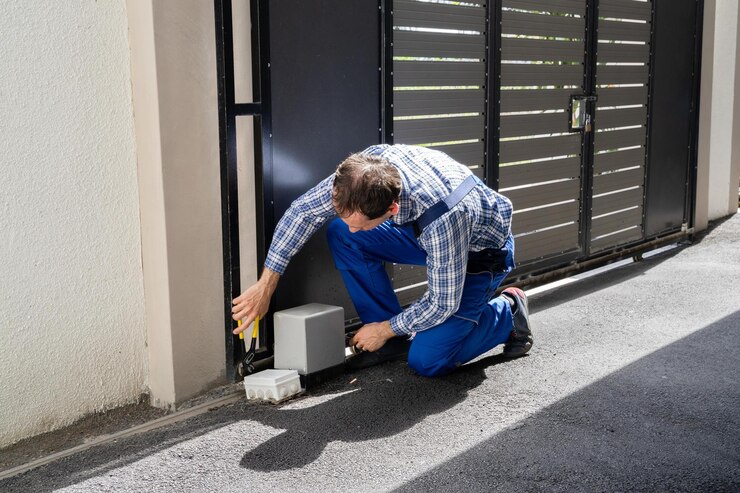
Your garage door is more than just a panel that opens and closes; it’s a crucial part of your home’s security and convenience. However, when the door starts sticking, becoming misaligned, or making grinding noises, it often signals a problem with the tracks. A bent or broken track can render the entire system inoperable. This guide explores the essentials of garage door track repair, why it matters, and what you can do about it.
Why Garage Door Tracks Are So Important
Garage door tracks are the metal rails that guide the door’s rollers as it moves up and down. These tracks must be perfectly aligned for the door to operate smoothly. A small bend, obstruction, or misalignment can lead to serious issues like jamming or uneven movement.
Common issues related to garage door tracks include:
- Misaligned tracks: This causes the rollers to derail or wear out.
- Dirt or debris buildup: These can obstruct the rollers.
- Rust or corrosion: Weakens the structure over time.
- Bent tracks: Usually from accidental impact (like hitting the track with your vehicle).
Signs You Need a Garage Door Track Repair
Identifying track problems early can prevent major repairs. Here are the tell-tale signs:
1. Uneven Door Movement
If one side of your garage door rises or lowers faster than the other, it’s likely that one of the tracks is bent or misaligned.
2. Loud Noises
Squealing, grinding, or scraping sounds during operation usually indicate friction caused by track or roller problems.
3. Stuck Door
If the door sticks mid-way or refuses to move altogether, an issue with the track alignment or blockage could be the culprit.
4. Visible Track Damage
Inspect the tracks visually. Look for dents, rust spots, or sections that appear out of line. These are indicators that repairs or replacements are due.

DIY vs Professional Garage Door Track Repair
When You Can DIY
For minor issues like cleaning debris or lubricating rollers, a confident homeowner can manage simple fixes. Here’s what you can safely do:
- Clean the tracks with a soft brush or cloth.
- Use a non-greasy lubricant to ensure smooth roller movement.
- Tighten any loose bolts or brackets holding the track in place.
When to Call the Pros
If the track is bent, rusted, or out of alignment, it’s best to call a professional. Trying to force a bent track into position can worsen the issue or even damage other components.
Professionals use specialized tools to:
- Straighten or realign bent tracks.
- Replace severely damaged sections.
- Ensure the system is balanced and safe for long-term use.
If repairs aren’t enough, you might need a full garage door track replacement to ensure proper function and safety.
Cost of Garage Door Track Repairs
The cost depends on the extent of the damage and whether a replacement is needed. Here’s a rough breakdown:
- Minor repairs (tightening, cleaning, small adjustments): $50–$100
- Moderate repairs (realignment, partial replacement): $100–$200
- Complete track replacement: $150–$400
These prices can vary by location, labor rates, and track types (standard, high-lift, or vertical-lift systems).
Preventive Maintenance Tips
To keep your garage door tracks in top shape, consider these simple maintenance steps:
- Inspect regularly: Check tracks every 2–3 months.
- Clean the tracks: Wipe out dust, dirt, or debris.
- Lubricate rollers and hinges: Use silicone-based lubricants.
- Avoid impacts: Be cautious when driving in or out to prevent bending the tracks.
Regular maintenance not only saves money but also extends the life of your garage door system.
Conclusion: Don’t Ignore Track Issues
Garage door track problems might seem minor at first, but they can snowball into expensive repairs or safety hazards if ignored. Whether it’s a small alignment issue or a full-scale garage door track repair, addressing it quickly can restore functionality and peace of mind.