
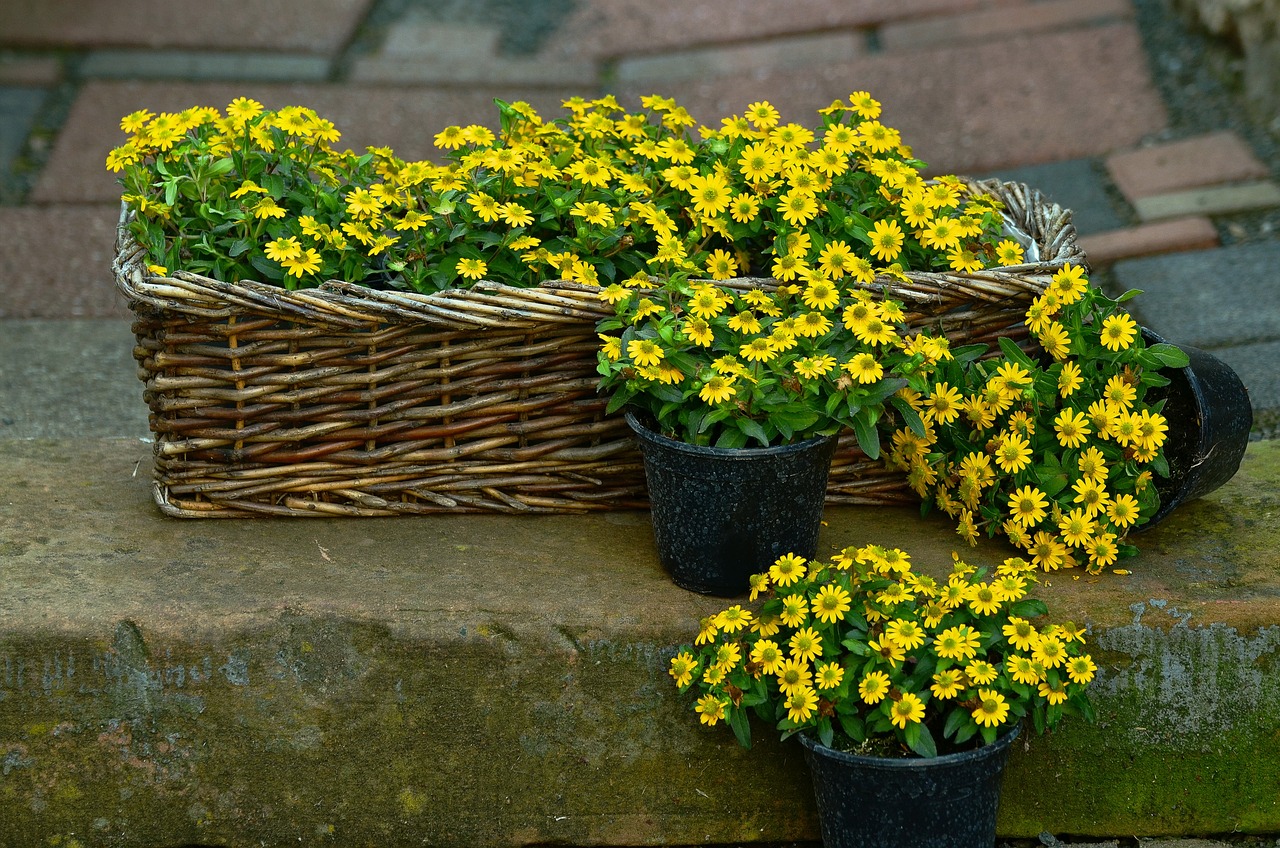
Creating a sustainable and lush backyard is a rewarding endeavor that not only enhances the beauty of your home but also contributes positively to the environment. By adopting eco-friendly practices, you can cultivate a garden that thrives naturally, supports local wildlife, and reduces your ecological footprint. Here are some comprehensive gardening tips to help you transform your backyard into a sustainable oasis.
Embrace Native Plants and Biodiversity
One of the fundamental principles of sustainable gardening is the use of native plants. Native species are adapted to the local climate, soil, and ecosystem, making them more resilient to pests and diseases. They require less water and maintenance compared to exotic plants, reducing the need for chemical fertilizers and pesticides. Incorporating a diverse range of plants fosters a balanced ecosystem, attracting beneficial insects like bees, butterflies, and ladybugs that aid in pollination and natural pest control. Planting a variety of flowers, shrubs, and trees not only adds visual interest but also creates habitats for birds and other wildlife, promoting biodiversity in your backyard.
Practice Water Conservation
Water is a precious resource, and efficient water use is crucial for sustainability. Implementing water conservation techniques ensures your garden remains lush without wasting resources. Install a rain barrel to collect rainwater from your roof gutters, providing a free and sustainable water source for your plants. Utilize drip irrigation systems or soaker hoses that deliver water directly to the plant roots, minimizing evaporation and runoff. Mulching your garden beds with organic materials like straw, wood chips, or shredded leaves helps retain soil moisture, suppress weeds, and enrich the soil as it decomposes. Group plants with similar water needs together to optimize watering efficiency and prevent overwatering.
Build Healthy Soil Through Composting
Healthy soil is the foundation of a thriving garden. Instead of relying on synthetic fertilizers, enrich your soil naturally by composting organic waste. Composting transforms kitchen scraps, yard clippings, and fallen leaves into nutrient-rich humus that improves soil structure, fertility, and microbial activity. Start a compost pile or use a compost bin in a convenient location in your backyard. Regularly turn the compost to aerate it and speed up the decomposition process. Incorporating compost into your garden beds enhances soil’s ability to retain moisture and nutrients, supports healthy root development, and reduces the need for chemical additives.
Implement Natural Pest Management
Chemical pesticides can harm beneficial insects, contaminate soil and water, and disrupt the ecological balance of your garden. Adopt natural pest management strategies to protect your plants sustainably. Introduce beneficial insects like ladybugs, praying mantises, and lacewings that prey on common garden pests. Plant companion species such as marigolds, which repel nematodes, or basil, which deters aphids, to protect more vulnerable plants. Regularly inspect your plants for signs of pests and remove them manually when possible. Using barriers like netting or row covers can also prevent pests from reaching your crops without the need for chemicals.
Practice Responsible Lawn Care
Lawns often require significant water, fertilizer, and maintenance. To make your lawn more sustainable, consider reducing its size and replacing portions with native ground covers, wildflower meadows, or edible landscapes. When maintaining your lawn, mow at a higher setting to promote deeper root growth and drought resistance. Leave grass clippings on the lawn to decompose and return nutrients to the soil. Use organic or slow-release fertilizers sparingly to prevent nutrient runoff into waterways. Selecting drought-tolerant grass varieties can also reduce water usage and increase your lawn’s resilience.
Incorporate Edible Gardening
Growing your own fruits, vegetables, and herbs is a rewarding way to enhance sustainability. Edible gardens reduce the carbon footprint associated with transporting produce and provide fresh, nutritious food. Start with easy-to-grow plants like tomatoes, lettuce, or herbs that can thrive in your climate. Use raised beds or containers if space is limited. Practice crop rotation and interplanting to maintain soil health and reduce pest issues. Sharing excess harvests with neighbors or local food banks further extends the positive impact of your garden.
Utilize Renewable Materials and Recycle
Incorporate recycled and renewable materials in your garden to reduce waste. Use reclaimed wood for building raised beds, trellises, or garden furniture. Repurpose old containers or tires as planters. Opt for biodegradable pots made from coconut coir or peat instead of plastic. When purchasing new materials, choose those made from sustainable sources, such as bamboo stakes or natural fiber mulch mats. Recycling and reusing materials not only conserves resources but also adds unique character to your garden design.