
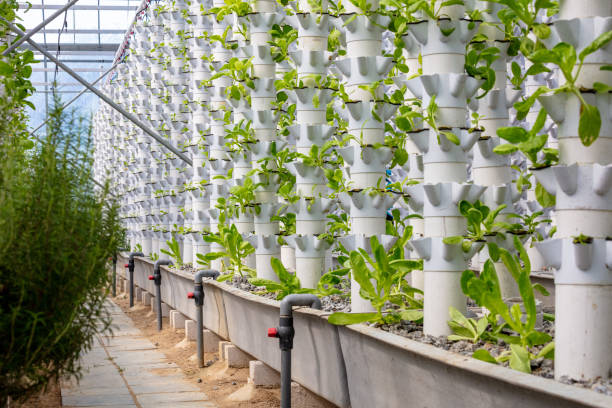
Aeroponic tower gardening has rapidly become a transformative approach to cultivating plants, particularly in urban and space-constrained environments. An aeroponic tower is a vertical structure designed to support the growth of multiple plants by suspending their roots in air while periodically misting them with a nutrient-rich solution. Unlike traditional soil-based gardening, an aeroponic tower garden leverages precise nutrient delivery and enhanced oxygenation to maximize plant growth rates and overall yield. By adopting this technology, urban dwellers and small-scale farmers can enjoy fresh, homegrown produce year-round without requiring expansive land plots.
Hydroponics vs. Aeroponics: Defining a Hydroponic Tower and an Aeroponic Tower
To appreciate the distinct advantages of the aeroponic tower garden, it is essential to differentiate between hydroponics and aeroponics. The umbrella term “hydroponics” encompasses a variety of soilless growing systems where plant roots are immersed in, or periodically exposed to, a nutrient-laden water solution. A hydroponic tower refers to vertical hydroponic systems such as Nutrient Film Technique (NFT) towers or vertical drip systems that circulate water through multiple levels. In contrast, an aeroponic tower suspends roots entirely in air, delivering nutrients via fine mist or periodic drips. This root suspension significantly increases oxygen uptake, optimizing metabolic processes that support rapid growth and leading to growth rates up to three times faster than conventional soil cultivation methods.
Components and Mechanisms of an Aeroponic Tower System
Creating an effective aeroponic tower involves several key components engineered to work together seamlessly. Understanding each component’s function is critical to setting up and maintaining a thriving system.
- Reservoir and Nutrient Solution: At the base of every aeroponic tower garden is a reservoir that holds the nutrient solution—a precisely balanced mix of water and essential minerals. A well-sized reservoir ensures that all plants receive sufficient nutrients, minimizing the need for frequent refills and adjustments.
- Water Pump: A reliable water pump moves the nutrient solution from the reservoir to the top of the tower. Submersible pumps are common in residential aeroponic towers, while larger industrial-scale systems may utilize external high-pressure pumps to reach multiple stacked tiers.
- Tower Structure: Constructed from food-grade plastic or similar inert materials, the aeroponic tower consists of multiple stacking sections. Each section contains planting sites where net pots or growing collars hold seedlings or cuttings. As nutrient solution flows down or is sprayed within the tower, the roots suspended in air are continuously bathed in nutrients and oxygen.
- Misting or Drip Nozzles: Fine nozzles or spray heads are positioned at regular intervals to deliver a continuous or cyclical mist of nutrient-rich solution. This intermittent misting cycle ensures that the roots never become waterlogged, preventing root rot while maximizing oxygen availability.
- Grow Lights (For Indoor Use): When natural sunlight is insufficient—such as for indoor aeroponic tower setups—LED grow lights replicate the spectrum and intensity of sunlight. Adjustable LEDs mounted along the tower’s height ensure even light distribution to all plants, promoting uniform growth.
- Timers and Controllers: Automation is one of the hallmarks of a successful aeroponic tower garden. Timers regulate the intervals and durations of misting cycles, while additional timers control lighting schedules. By setting precise on/off cycles (for example, 15 minutes of misting every hour), these controllers optimize water usage and nutrient absorption while adapting to seasonal variations.
Benefits of Using an Aeroponic Tower Garden
Embracing an aeroponic tower system provides a multitude of advantages over traditional soil-based gardens and many conventional hydroponic tower setups:
- Rapid Plant Growth: Suspended roots have enhanced access to oxygen and nutrients, accelerating root respiration and nutrient uptake. Research indicates that plants grown in aeroponic environments can grow up to three times faster compared to soil gardening.
- Superior Water Efficiency: The closed-loop system of an aeroponic tower garden recirculates the nutrient solution, drastically reducing water consumption. Studies show water savings of up to 95% compared to field-grown crops, making it an ideal solution for drought-prone or arid regions.
- Precise Nutrient Management: Direct delivery of nutrients to the root zone allows for precise control over nutrient concentrations and pH levels. This precision reduces fertilizer waste and ensures that each plant receives the exact nutrient profile it requires.
- Elimination of Soil-Borne Diseases: By removing soil from the equation, aeroponic cultivation virtually eliminates common soil-borne pathogens and pests, reducing the need for pesticides or fungicides.
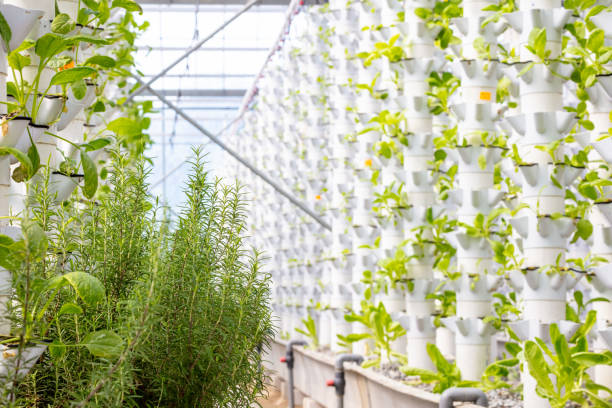
- Space Optimization: Vertical stacking of planting sites in a confined footprint allows cultivation of dozens of plants within a single square meter. This space efficiency makes aeroponic tower gardens particularly attractive for balconies, rooftops, and indoor urban environments.
- Consistent, High-Quality Yields: Indoor aeroponic tower systems provide consistent environmental conditions—temperature, light, humidity—resulting in uniform, nutrient-dense produce regardless of outdoor weather fluctuations.
Setting Up Your Own Aeroponic Tower Garden: Step-by-Step Guide
Whether you are a hobbyist or an urban farmer, constructing your own aeroponic tower garden can be an engaging, rewarding project. Below is a concise guide to get started:
- Select the Tower and Components
- Choose a vertical aeroponic tower kit or assemble modular stacking pots that support net pots.
- Ensure the reservoir capacity matches the number of plants. For example, a tower with 24 planting sites may require a 10–15 gallon reservoir to maintain stable nutrient concentrations.
- Assemble the Reservoir and Pump
- Place the reservoir in a stable, level location—ideally indoors or in a shaded area to prevent algae growth.
- Install the submersible pump inside the reservoir, and connect tubing to the top of the tower’s highest tier.
- Install Misting or Drip System
- Position misting nozzles or drip lines at intervals throughout the tower, ensuring each planting site receives an even spray of nutrient solution.
- Use waterproof fittings to prevent leaks and maintain consistent pressure.
- Add Growing Medium and Seedlings
- Place net pots into the tower’s planting sites. Insert seedlings or cuttings (e.g., cloned basil cuttings, lettuce seedlings) into the net pots, supporting them with a sterile, inert medium such as rockwool cubes or clay pebbles.
- Gently ensure roots extend below the net pot and into the tower’s interior.
- Mix and Monitor Nutrient Solution
- Prepare the nutrient solution according to manufacturer guidelines, aiming for an initial pH between 5.5 and 6.5.
- Fill the reservoir, submerge the pump, and run a brief cycle to check for leaks.
- Calibrate pH and electrical conductivity (EC) meters weekly to maintain optimal nutrient balance.
- Configure Timers and Lighting
- Set the misting timer to cycle (for example) 15 minutes on and 45 minutes off. Adjust cycle lengths according to ambient temperature—higher temperatures may require more frequent misting.
- If indoors, mount adjustable LED grow lights around the tower. Program timers to run lights 14–16 hours per day for vegetative growth, and 10–12 hours for flowering or fruiting stages.
- Monitor and Maintain
- Check water levels daily; top off with fresh nutrient solution as necessary.
- Inspect pH and EC levels at least twice weekly; adjust using pH up/down solutions or nutrient additives.
- Remove any dead or yellowing leaves promptly to prevent disease.
Choosing the Right Plants for Your Aeroponic Tower
One of the greatest advantages of a hydroponic tower or aeroponic tower garden is the versatility to grow a wide variety of crops. The following categories of plants thrive particularly well in aeroponic environments:
- Leafy Greens
- Lettuce (Butterhead, Romaine, Loose-Leaf)
- Spinach and Swiss Chard
- Kale and Mustard Greens
- Arugula and Mesclun Mixes
- Leafy greens have shallow root systems and fast growth cycles, making them ideal candidates for aeroponic tower setups.
- Herbs
- Basil (Genovese, Thai, Lemon)
- Parsley (Curled, Flat-Leaf)
- Cilantro, Mint, Oregano
- Dill and Chives
- Herbs benefit from the consistent nutrient delivery and oxygenation in an aeroponic environment, producing intensely flavorful leaves.
- Compact Fruiting Plants
- Dwarf or Determinate Tomatoes
- Compact Pepper Varieties
- Bush Bean Varieties
- While fruiting plants require more support, small tomato cultivars and peppers can flourish vertically if a sturdy trellis or support system is integrated.
- Strawberries and Berries
- Strawberry cultivars designed for vertical systems
- Smaller berry varieties that can be supported within a tower’s structure
- With proper pollination (either manual or via beneficial insects), strawberries and similar berries can yield multiple harvest cycles per year in an aeroponic tower garden.
Considerations When Selecting Plants
- Root Structure: Choose plants with roots that can adapt to being suspended in air. Shallow-to-moderate root spreads work best.
- Growth Habit: Avoid overly vining or sprawling varieties unless you can provide adequate support frameworks.
- Light Requirements: Match plant selections to the lighting capabilities of your system. Fruiting crops often require higher light intensity and longer photoperiods.
- Growth Rate: Fast-growing vegetables like leafy greens offer quick turnarounds, making them ideal for learning and optimizing your aeroponic setup.
Maintenance Tips for Optimal Growth in Your Hydroponic Tower
Even though an aeroponic tower reduces many traditional maintenance tasks associated with soil-based gardens, careful oversight remains essential to ensure peak performance:
- Regular Reservoir Flushing: Every 2–3 weeks, empty and clean the reservoir to remove sediment, biofilm, or any nutrient buildup. Refill with fresh nutrient solution to maintain stability.
- Biofilm and Algae Prevention: Keep the reservoir lid closed and the vertical structure shaded to limit light penetration. An opaque or UV-resistant reservoir will inhibit algae growth.
- pH and EC Monitoring: Use reliable digital pH and EC meters. Adjust pH daily if necessary and maintain target EC ranges specific to crop types (e.g., 1.2–1.5 mS/cm for leafy greens).
- Inspect Nozzles and Tubing: Over time, mineral deposits can clog misting nozzles. Weekly inspections and occasional soaking in mild vinegar solution will keep nozzles clear.
- Temperature and Humidity Control: Maintain ambient temperatures between 65°F and 75°F (18°C–24°C) and relative humidity around 50–70%. High humidity can encourage mold; too low humidity can stress plants.
- Pest Management: Although soil-borne pests are eliminated, aerial pests such as aphids or whiteflies can still appear. Employ integrated pest management practices—sticky traps, beneficial insects, or organic sprays—to keep pest populations in check.
- Pruning and Harvest Scheduling: Regularly prune older leaves to encourage new growth. Harvesting leafy greens early in their growth cycle promotes continuous production. Coordinate planting schedules to allow for rotational harvests.
Conclusion
Aeroponic tower gardening represents a paradigm shift in modern agriculture, uniting technological innovation with sustainable practices. From the precision-driven nutrient delivery system to the dramatic water savings and space optimization, an aeroponic tower garden offers a compelling alternative to both traditional soil gardening and many older hydroponic tower systems. By following best practices—assembling the right components, choosing appropriate crops, and maintaining optimal environmental conditions—anyone can transform a small corner of their home or urban space into a prolific, year-round food production hub. For those seeking to embrace this cutting-edge vertical farming approach and experience the benefits firsthand, consider exploring ALTO Garden for expert guidance and premium systems tailored to your needs.