
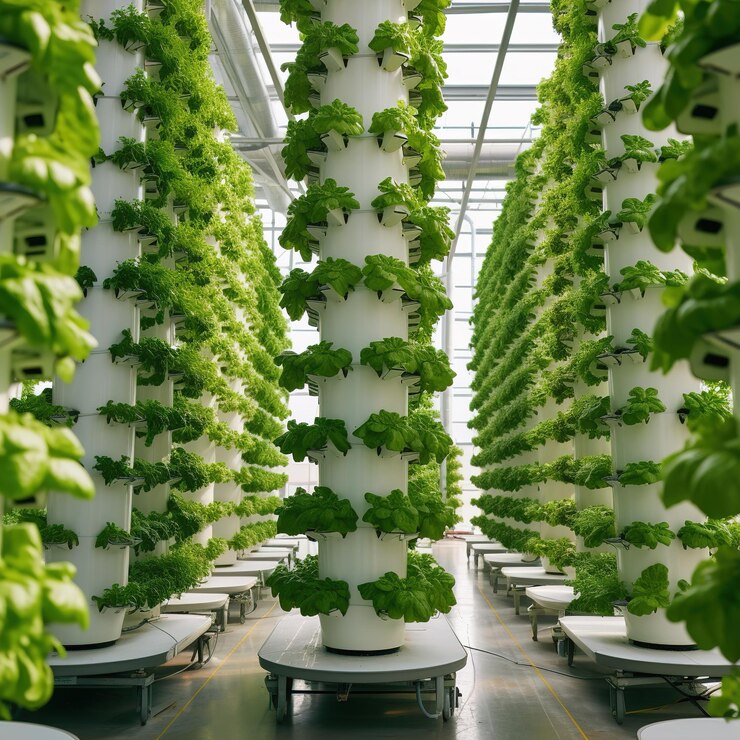
Vertical gardens have gained immense popularity in recent years, especially in urban settings where space is limited. Hydroponic towers, as part of the vertical gardening movement, represent the next step in sustainable and space-efficient gardening. These innovative systems not only allow individuals to grow their own food but do so in a manner that conserves water and maximizes yield in small spaces. In this article, we’ll explore the world of hydroponic towers, their benefits, and how they revolutionize gardening practices.
What Are Hydroponic Towers?
Hydroponic towers are vertical gardening systems that utilize hydroponic growing methods, meaning plants are grown without soil. Instead of traditional soil-based gardening, plants grow in nutrient-rich water, which is circulated through the tower. This method offers several key advantages over conventional gardening, such as faster growth, higher yields, and the ability to garden in smaller spaces. These towers use aeroponic and hydroponic techniques to maximize the space, water, and nutrients available to plants.
The Basics of Vertical Gardening
A vertical garden is essentially any gardening method that utilizes vertical space to grow plants. By growing plants upwards rather than outwards, vertical gardens enable individuals to maximize the use of limited space. This makes vertical gardening perfect for urban environments like apartments, rooftops, or balconies. Hydroponic towers are the epitome of this concept, as they combine vertical gardening with efficient water use and fast-growing techniques.
How Hydroponic Towers Work
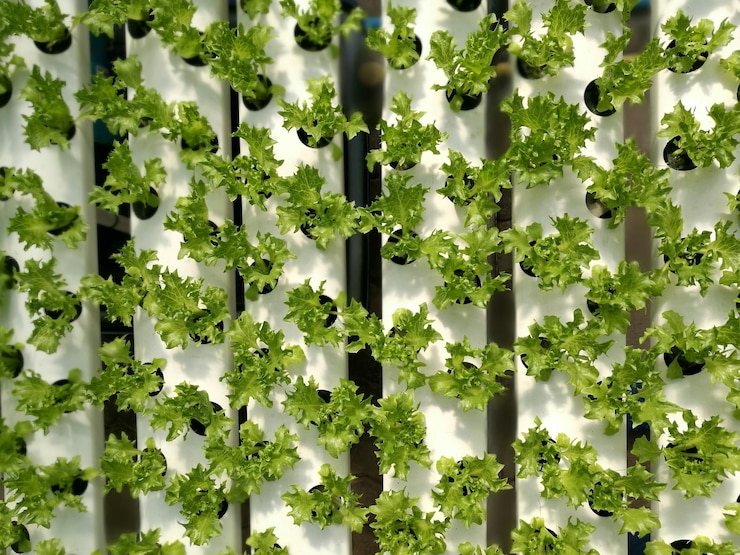
The hydroponic tower functions by allowing plants to grow in a vertical structure where their roots are submerged in a nutrient solution, typically composed of water and specialized nutrients. These systems circulate the water through the tower, ensuring that all plants have access to the nutrients they need to thrive. The plants are placed in net pots or other supports, and they grow upwards as the nutrients nourish them. The most efficient designs incorporate self-watering systems and nutrient recycling, making them extremely water-efficient.
Hydroponic Tower Gardens: The Benefits
- No Soil Required
One of the biggest advantages of hydroponic towers is that they do not require soil. This makes them perfect for those living in apartments or areas where the soil is poor or non-existent. Additionally, the lack of soil means there is no mess or the need for regular weeding. - Efficient Water Use
Hydroponic systems use up to 95% less water than traditional soil-based gardening. Water is recycled through the tower in a closed-loop system, ensuring minimal waste. This is especially important in regions with limited water resources or where sustainability is a concern. - Faster Growth
Plants grown in hydroponic systems grow up to three times faster than those grown in soil. This is due to the optimal conditions provided by hydroponic systems, where nutrients and water are more readily available, and roots can more easily absorb oxygen. - Space Efficiency
Vertical gardens save a significant amount of space. By growing plants vertically rather than horizontally, hydroponic tower gardens can yield a large number of crops in a very small footprint. This is ideal for urban environments, where space is often limited.
Types of Plants Perfect for Hydroponic Towers
Hydroponic towers can support a wide variety of plants, from leafy greens to fruits and herbs. Some of the most commonly grown plants include:
- Leafy Greens: Lettuce, spinach, kale, and arugula thrive in hydroponic systems.
- Herbs: Basil, parsley, rosemary, and mint are popular choices.
- Fruits and Vegetables: Tomatoes, peppers, cucumbers, and strawberries can also be successfully grown in hydroponic towers.
Setting Up a Hydroponic Tower Garden
Starting a hydroponic tower garden is simpler than you might think. The process typically involves the following steps:
- Choosing Your Hydroponic System
There are various types of hydroponic systems, but the most common one for home use is the tower garden, where plants are arranged in a vertical structure with nutrient-rich water circulating through. - Germinating Your Seeds
Start by germinating your seeds in a separate tray using rockwool cubes or similar substrates. Once the seeds sprout, they can be transferred into the net pots in the hydroponic tower. - Transferring Seedlings to the Tower
Once your seedlings are ready, carefully transfer them into the pots within the hydroponic tower. Make sure to arrange them in a way that optimizes light exposure and airflow. - Maintaining the System
Hydroponic systems require minimal maintenance, but you will need to monitor the water levels and nutrient solution regularly. Adjust the pH levels and ensure that the water pump is working correctly for maximum efficiency.
Sustainability and Eco-Friendliness of Hydroponic Towers
One of the most appealing aspects of hydroponic towers is their sustainability. These systems use far less water than traditional farming methods, and because they are soil-free, there is no need for harmful pesticides or fertilizers. Hydroponic towers also allow for year-round growing, meaning you can harvest fresh produce even in the winter months. This makes them ideal for individuals looking to adopt a more eco-friendly lifestyle.
Additionally, the use of vertical space helps conserve land, making hydroponic tower gardens a more sustainable option for feeding growing urban populations. In a world where the environmental impact of traditional farming is a growing concern, hydroponic towers present an innovative solution.
Conclusion
Hydroponic towers are a revolutionary way to grow food in small spaces, using less water and providing faster growth than traditional soil-based gardening. These vertical garden are perfect for those looking to embrace sustainable living, especially in urban environments where space is limited. Whether you’re growing leafy greens, herbs, or even fruits and vegetables, a hydroponic tower garden can provide fresh, organic produce right at your fingertips.
ALTO Garden offers the perfect solution with their ALTO Garden GX Hydroponic Tower, designed for both indoor and outdoor use. With its innovative features like automated timers, water recycling systems, and space-efficient design, the ALTO Garden GX Tower is a fantastic way to start your hydroponic journey. Whether you’re an experienced gardener or a beginner, hydroponic towers are a great way to grow your own food and contribute to a more sustainable world.