

Introduction
Gardening enthusiasts and eco-conscious individuals are increasingly turning to innovative solutions for growing food at home. One such revolutionary method is the garden tower, which offers a highly efficient way to grow vegetables, herbs, and fruits with minimal space and resources. Another exciting innovation is the hydroponic tower garden, a soil-free, water-efficient system that maximises yield while conserving resources. These towers are designed to cater to both novice gardeners and seasoned horticulturists looking for a space-saving and sustainable gardening option.
In this article, we will explore the concept of garden towers, particularly hydroponic tower gardens, their advantages, and how they can transform your home gardening experience.
What is a Garden Tower?
A garden tower is a vertical gardening system that allows you to grow a wide variety of plants in a compact space. The garden tower uses different methods of irrigation and plant support, with the most popular being hydroponics and aeroponics. The primary idea behind the garden tower is to make use of vertical space rather than spreading out plants horizontally, allowing gardeners to grow more in less space.
These towers can be used for growing vegetables, herbs, and even fruits. A garden tower typically includes multiple tiers or layers, each with pockets or pots where plants can be grown. The plants are usually watered and fed with a special irrigation system that ensures proper hydration and nutrients.
Hydroponic Tower Gardens: The Soil-Free Revolution
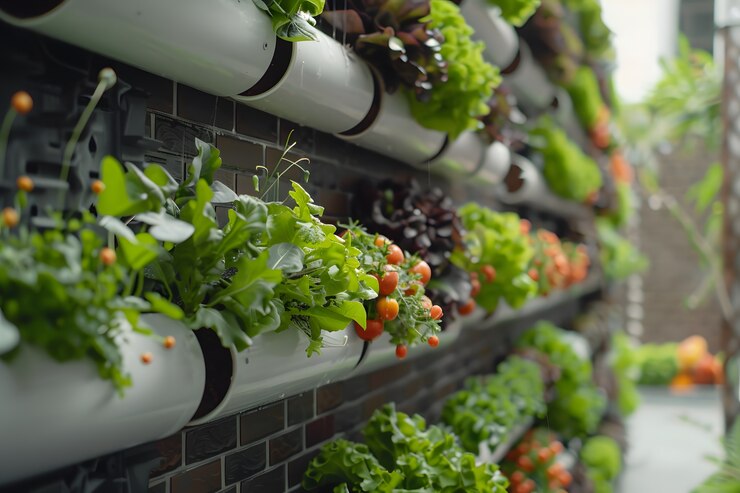
When you think of a traditional garden, the first thing that comes to mind is soil. However, hydroponic tower gardens work without soil altogether, using nutrient-rich water to nourish plants. The term “hydroponics” comes from the Greek words “hydro” (water) and “ponos” (labor), which means growing plants in water.
In hydroponic towers, plants are grown with their roots suspended in water that contains all the nutrients they need for healthy growth. The water is circulated through the tower, ensuring that the plants are consistently hydrated and receive the necessary minerals. This method not only saves water but also allows plants to grow faster and healthier, making it an ideal solution for both urban and suburban gardening.
Benefits of Hydroponic Tower Gardens
- Faster Plant Growth
Plants grown in a hydroponic tower garden can grow up to three times faster than those grown in traditional soil gardens. Since the plants have easy access to all the nutrients they need, they can thrive without competition from weeds or other environmental factors. This results in quicker harvests and higher yields. - Water Conservation
Traditional gardens can waste a lot of water due to evaporation and runoff. However, a hydroponic tower garden uses up to 95% less water than conventional gardening. Water is pumped through the system and recirculated, ensuring that it is used efficiently, making it an eco-friendly solution for gardening. - Space Efficiency
A hydroponic tower garden utilizes vertical space, which means it can fit in small areas such as patios, balconies, or even indoor spaces. The compact design allows you to grow a variety of plants in a small footprint, which is ideal for urban dwellers with limited gardening space. - No Soil, No Weeds
Without the need for soil, you eliminate the risk of soil-borne pests and diseases. Weeds are also not an issue, as there is no soil for them to grow in. This results in less time spent on maintenance and more time enjoying your harvest.
Garden Tower Design and Features
Most garden towers consist of a base reservoir that holds water and nutrients, with multiple tiers or levels for plant growth. The design of a garden tower allows water to flow from the top down, irrigating plants as it moves through each layer. Here are some of the key features of garden towers:
- Vertical Design
Garden towers are typically built with several layers, allowing you to grow more plants in a smaller area. This vertical design maximizes the space available, enabling you to grow a large number of plants in less than three square feet of space.
- Water Recycling System
A key feature of many garden towers, particularly hydroponic systems, is the water recycling system. Water is pumped to the top of the tower, where it nourishes the plants before being collected at the bottom and pumped back up again. This system reduces water consumption significantly, making it an ideal choice for drought-prone areas or those looking to reduce their environmental impact.
- Easy to Use and Maintain
Garden towers are designed to be simple to assemble and maintain. Many systems come with everything you need to get started, including a water pump, reservoir, and planting pots. The towers are typically made of durable, BPA-free materials that are easy to clean and long-lasting.
The ALTO Garden GX Tower: A Superior Hydroponic Garden Tower
One of the most impressive examples of a garden tower is the ALTO Garden GX Tower, a hydroponic system designed for both indoor and outdoor use. This tower system utilises hydroponic and aeroponic methods to grow vegetables, herbs, and fruits efficiently and sustainably. The ALTO Garden GX Tower is especially beneficial for those looking to reduce their water usage while enjoying faster-growing crops.
Key Features of the ALTO Garden GX Tower
- 24 Pots for Planting: The tower includes 24 pots, allowing for a variety of crops to be grown simultaneously. You can grow anything from leafy greens like spinach and lettuce to fruiting plants like tomatoes and strawberries.
- Water Efficiency: With its recirculating water system, the ALTO Garden GX Tower uses 95% less water than traditional soil gardens. This makes it a sustainable choice for gardeners who are mindful of their water usage.
- BPA-Free and Durable Materials: The tower is made from food-safe, BPA-free polypropylene, ensuring that your plants are growing in a safe and sustainable environment. It’s designed to last for years without cracking or deforming.
- Easy Setup and Maintenance: The ALTO Garden GX Tower is simple to assemble and requires minimal maintenance. It comes with a water pump, timer, and all the necessary components to get started right away.
How to Get Started with Your Garden Tower
Getting started with a garden tower, especially a hydroponic tower garden, is easy and straightforward. Here’s how to set up your own garden tower:
- Choose the Right Location
Place your tower in an area that receives plenty of sunlight. If you’re growing indoors, make sure to position it near a sunny window or use artificial grow lights to supplement natural light. - Assemble the Tower
Follow the instructions provided with your tower to assemble the various parts, including the reservoir, water pump, and planting pots. - Fill with Water and Nutrients
Add water to the reservoir and mix in the necessary nutrients. The plants in a hydroponic tower garden need a special mix of nutrients, which is typically provided with the system. - Plant Your Seeds
Insert your seedlings or seeds into the planting pots. Be sure to choose plants that are suited for hydroponic gardening and that fit within the size of your tower. - Monitor and Maintain
Set the timer for watering and monitor the water level and plant health regularly. Adjust watering schedules and nutrient levels as needed.
Conclusion
Garden towers, particularly hydroponic tower gardens, are a fantastic solution for growing fresh, healthy food at home with minimal space and resources. By utilising vertical gardening and water-efficient techniques, these towers allow you to grow a wide variety of plants in small spaces while conserving water. The ALTO Garden GX Tower is an excellent example of how these systems work, offering a durable, easy-to-use solution for anyone interested in home gardening.
With the ALTO Garden GX Tower, you can enjoy the benefits of faster-growing plants, less water usage, and the satisfaction of growing your own food right at home. It’s a sustainable and efficient way to ensure your family enjoys nutritious, homegrown produce year-round.